 en
en русский
 Español
 عربى
عربى
Refrigerated Air Dryers for Reliable Industrial Compressed-Air Quality
Compressed air is widely used as a working medium in manufacturing, process industries, automation, packaging, electronics, food processing, heat treatment, and many other industrial applications. Although compressed air appears clean and dry after leaving a compressor, it normally contains water vapor, liquid condensate, oil aerosols, and solid particles. If this contamination is not removed, it can damage pneumatic equipment, reduce product quality, corrode pipelines, and increase maintenance costs.
The BBL Refrigerated Air Dryer is designed to remove moisture from compressed air through controlled cooling, condensation, separation, and drainage. It belongs to the gas purification equipment category and is intended for industrial compressed-air systems that require stable dew-point performance, dependable operation, and practical installation. The equipment combines refrigeration technology, heat-exchange components, gas-liquid separation, automatic control, and condensate management in a compact package.
This article explains the operating principle, construction, technical performance, manufacturing strengths, application advantages, installation requirements, maintenance practices, and model selection considerations associated with the refrigerated air dryer. It also examines why a well-designed refrigerated dryer can offer advantages over basic or poorly integrated alternatives, especially when reliable water removal, low energy consumption, remote communication, and long-term serviceability are important.
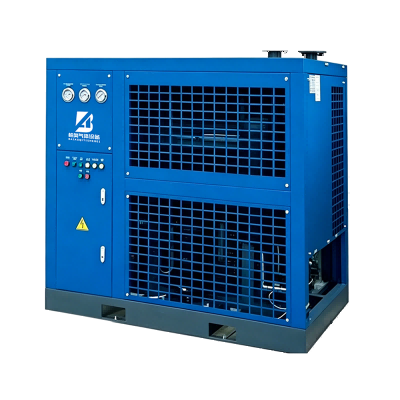
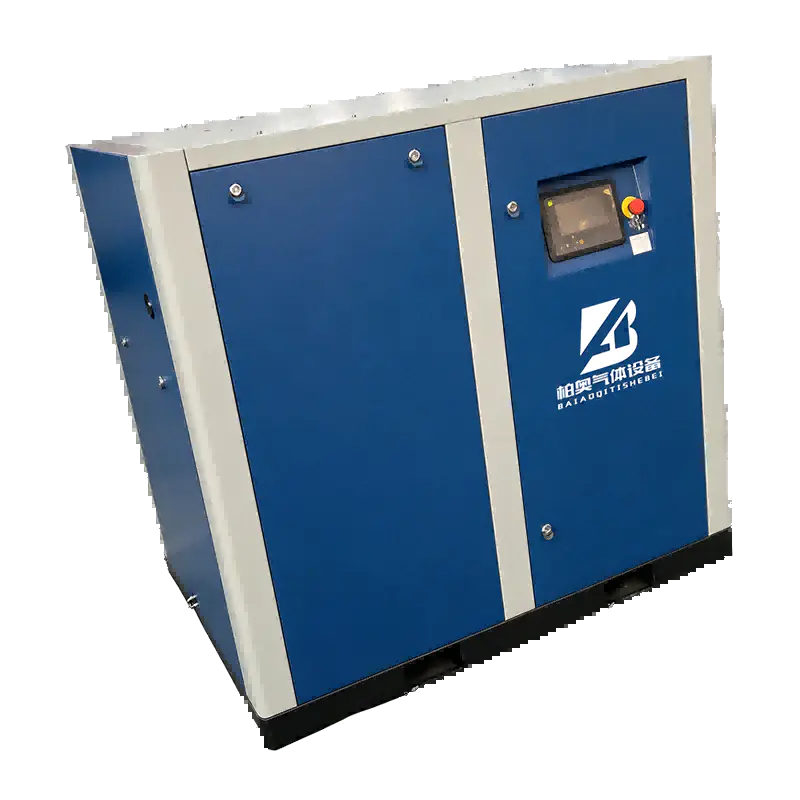
BBL Refrigerated Air Dryer
Content
- 1 Why Compressed-Air Drying Is Essential
- 2 Working Principle of the Refrigerated Air Dryer
- 3 Main Technical Specifications
- 4 Model Range and Capacity Options
- 5 Design Features That Support Reliable Operation
- 6 Advantages Compared with Basic or Poorly Integrated Alternatives
- 7 Manufacturing and Engineering Strengths
- 8 Industrial Applications
- 9 System Integration with Compressors and Purification Equipment
- 10 Installation Recommendations
- 11 Operation and Maintenance
- 12 How to Select the Correct Model
- 13 Technical Questions to Confirm Before Ordering
- 14 Q&A
- 14.1 What is a refrigerated air dryer?
- 14.2 What dew point does the BBL dryer provide?
- 14.3 Is the BBL dryer air-cooled or water-cooled?
- 14.4 What is the standard working-pressure range?
- 14.5 Can the dryer be connected to an air compressor control system?
- 14.6 Does the dryer remove oil and particles?
- 14.7 Does the equipment need a special foundation?
- 14.8 Why is condensate drainage important?
- 14.9 What industries can use this dryer?
- 14.10 How should the capacity be selected?
- 14.11 What maintenance does an air-cooled dryer require?
- 14.12 Are the published catalog values sufficient for final purchase?
- 15 Conclusion
- 16 References
- 17 Product: BBL Refrigerated Air Dryer
Why Compressed-Air Drying Is Essential
Atmospheric air always contains a certain amount of moisture. During compression, the air temperature and pressure increase, and the amount of water that the compressed air can retain changes. When the air subsequently cools in an aftercooler, receiver, pipeline, or pneumatic device, part of the water vapor condenses into liquid water.
Liquid water in a compressed-air system creates several risks. It may cause internal corrosion in storage tanks and distribution pipes. It can wash away lubricants from pneumatic tools and cylinders, shorten the life of valves, and freeze in outdoor lines or low-temperature environments. In process applications, moisture may also affect coatings, powders, packaging materials, electronic assemblies, textiles, and heat-treatment atmospheres.
A refrigerated air dryer reduces these risks by lowering the compressed-air temperature to a controlled level. When the air is cooled below its pressure dew point, water vapor condenses and can be separated from the air stream. The condensate is then discharged through a drainage system, while the dried compressed air continues to downstream equipment.
Refrigerated drying is particularly suitable for general industrial compressed air where a moderate pressure dew point is acceptable. It is commonly selected for factory air networks, pneumatic automation, machinery operation, general instrumentation, and applications in which the air must be substantially drier than untreated compressor discharge air but does not require the extremely low dew points associated with desiccant systems.
Working Principle of the Refrigerated Air Dryer
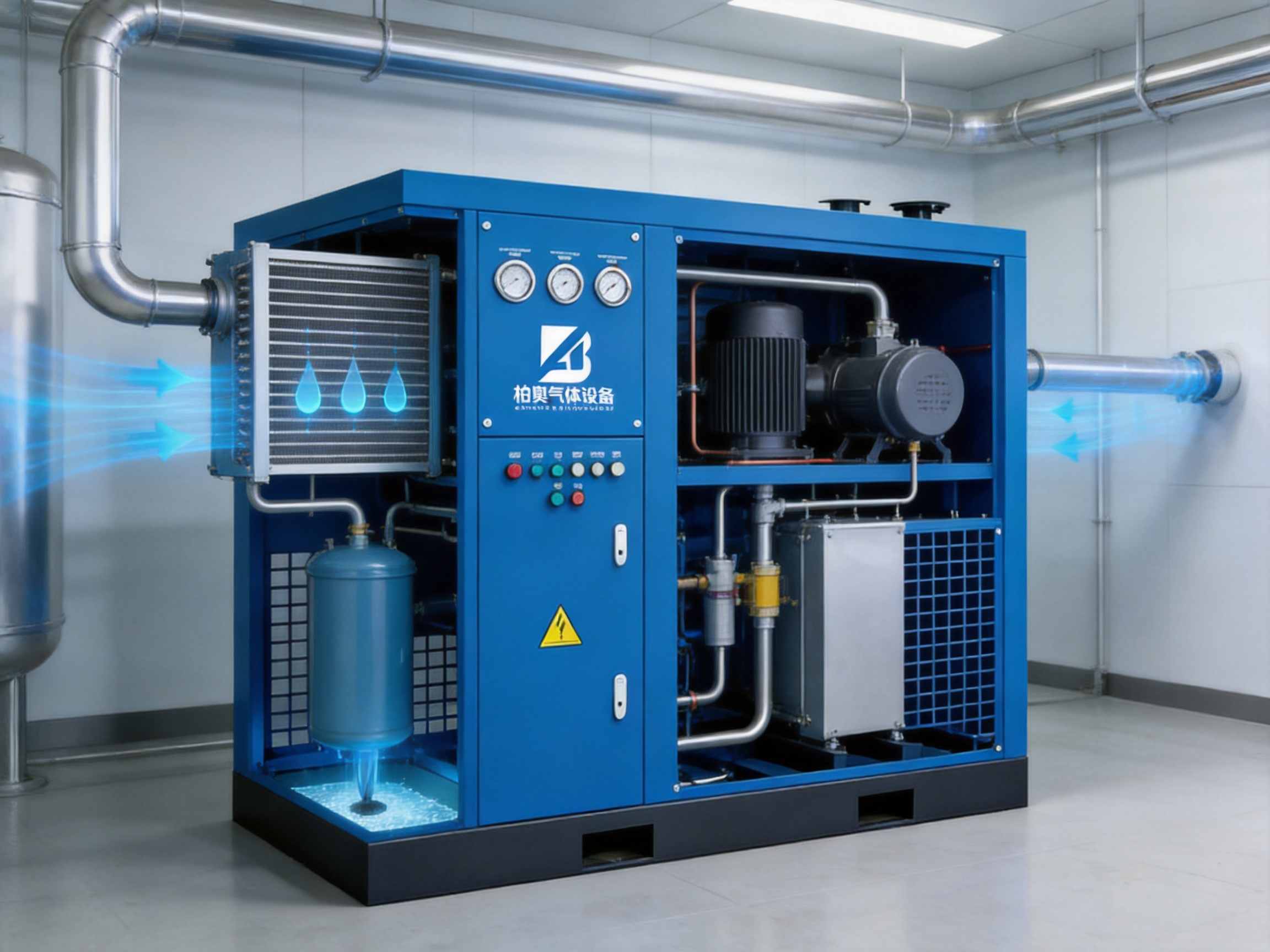
The BBL refrigerated air dryer operates according to the principle of refrigeration dehumidification. Hot, humid compressed air enters the dryer and passes through a heat-exchange system. The refrigeration circuit removes heat from the compressed air, causing its temperature to fall until the contained water vapor condenses into liquid water.
Compressed-Air Cooling
At the inlet, compressed air may be relatively hot because of the compression process. The dryer directs this air through an air-to-air heat exchanger and an evaporator. In the evaporator, the compressed air exchanges heat with a cold refrigerant circuit. The refrigeration compressor, condenser, expansion device, and evaporator work together to maintain the required cooling conditions.
As the compressed air becomes colder, its moisture-holding capacity decreases. Water vapor changes into liquid droplets. This phase change is the central mechanism through which the dryer removes moisture from the air stream.
Gas-Liquid Separation
After condensation, the mixture of compressed air and liquid water enters a gas-liquid separator. The separator is designed to slow and redirect the flow so that water droplets can be collected and removed without creating excessive pressure loss.
The BBL design emphasizes thorough condensate separation and drainage. Effective separation is important because poorly separated water may be carried into the outlet pipe as fine droplets. Such carryover reduces the practical value of the dryer and may allow moisture to reach sensitive downstream equipment.
Condensate Discharge
Separated liquid water is discharged outside the machine through the drainage system. Reliable drainage is essential for continuous operation. If condensate accumulates inside the dryer, the air path may become restricted, water may be re-entrained into the compressed air, and internal components may be exposed to unnecessary corrosion.
The drainage arrangement should be checked during commissioning and maintenance. Operators should ensure that the drain outlet is not blocked, the discharge line is correctly routed, and any automatic drainage device is functioning properly. The condensate may contain oil or other contaminants from the compressor system, so disposal should comply with local environmental requirements.
Refrigeration-Circuit Operation
The refrigeration compressor circulates refrigerant through the refrigeration system. The compressor raises the refrigerant pressure, the condenser rejects heat, the expansion device reduces refrigerant pressure, and the evaporator absorbs heat from the compressed air. This repeated cycle creates the low-temperature surface required for moisture condensation.
The product uses internationally recognized refrigeration compressors and Danfoss components for key refrigeration-system functions. The use of established component technology supports stable operation, dependable control, and easier access to replacement parts and technical expertise in many industrial markets.
Main Technical Specifications
The air-cooled BBL series is designed for working pressures of 0.2 to 1.0 MPa. Models for higher working pressures from 1.0 to 3.0 MPa are available. The specified dew point is no higher than -23°C under the stated operating conditions. The cooling method is air-cooled, the inlet compressed-air temperature should not exceed 45°C, and the ambient temperature should not exceed 38°C.
Actual operating performance depends on inlet pressure, inlet temperature, ambient temperature, flow rate, cooling-air circulation, and system cleanliness. Selection should therefore be based on the complete operating profile rather than only the nominal capacity listed in a catalog.
| Item | Published specification | Engineering significance |
| Working pressure | 0.2–1.0 MPa | Suitable for standard industrial compressed-air systems |
| Optional pressure range | 1.0–3.0 MPa available | Supports higher-pressure applications when specified correctly |
| Dew point | ≤ -23°C | Reduces condensation risk in downstream air systems |
| Cooling method | Air-cooled | Does not require a separate cooling-water circuit |
| Maximum inlet air temperature | ≤ 45°C | Requires appropriate aftercooling and operating control |
| Maximum ambient temperature | ≤ 38°C | Requires adequate ventilation around the equipment |
The published performance data should be treated as a basis for preliminary selection. Before purchase, the user should confirm the required pressure dew point, actual compressed-air flow, power supply, connection size, installation altitude, ambient conditions, and any special material or control requirements.
Model Range and Capacity Options
The BBL series includes multiple air-cooled models for different compressed-air processing requirements. The listed rated gas processing capacities range from approximately 1.2 to 66 units of nominal flow as published in the technical table. The supplied table identifies the flow using “Nm²/h,” although gas-processing capacity is commonly expressed using a normalized cubic-meter unit. The exact unit and reference condition should be confirmed with the technical supplier before final sizing.
| Model | Rated gas processing capacity | Inlet and outlet diameter | Power supply | Installed power | Dimensions, L × W × H | Weight |
| BBL-1F | 1.2 | DN25 | 220/50 | 0.2 kW | 650 × 420 × 670 mm | 45 kg |
| BBL-2F | 2.4 | DN25 | 220/50, confirm before ordering | 0.28 kW | 650 × 420 × 670 mm | 55 kg |
| BBL-3F | 3.6 | DN32 | 220/50, confirm before ordering | 0.74 kW | 750 × 480 × 810 mm | 80 kg |
| BBL-6F | 7.2 | DN40 | 220/50, confirm before ordering | 0.1 kW as published | 680 × 520 × 830 mm | 120 kg |
| BBL-12F | 13.2 | DN50 | 380/50 | 2.2 kW | 1150 × 700 × 1400 mm | 300 kg |
| BBL-20F | 22 | DN65 | 380/50, confirm before ordering | 3.7 kW | 1450 × 750 × 1533 mm | 400 kg |
| BBL-30F | 33 | DN80 | 380/50, confirm before ordering | 5.5 kW | 1765 × 900 × 1733 mm | 520 kg |
| BBL-40F | 44 | DN100 | 380/50, confirm before ordering | 7.4 kW | 1800 × 1050 × 1800 mm | 800 kg |
| BBL-60F | 66 | DN125 | 380/50, confirm before ordering | 11 kW | 2100 × 1000 × 1650 mm | 1150 kg |
Some catalog entries for power supply and installed power require confirmation because the compact table does not repeat every value in each row and one listed power figure appears unusually low relative to neighboring models. This does not reduce the value of the product range, but it demonstrates why a final technical quotation should be prepared from verified operating data.
Design Features That Support Reliable Operation
Recognized Refrigeration Components
Refrigeration components are central to the performance of a refrigerated dryer. The use of internationally recognized refrigeration compressors and Danfoss components in key refrigeration systems provides a strong foundation for stable operation. Component quality affects starting performance, cooling capacity, control response, service life, and the availability of replacement parts.
Compared with low-cost equipment built around unidentified or difficult-to-source refrigeration parts, a dryer using established component technology can be easier to maintain. Service technicians are more likely to recognize the component architecture, diagnose faults efficiently, and obtain appropriate replacement parts without redesigning the system.
Low Noise and Energy-Conscious Operation
The product is designed for stable operation, low noise, low energy consumption, and high reliability. Refrigerated dryers generally consume less energy than heatless desiccant dryers in applications where an extremely low dew point is not required. The refrigeration approach removes moisture continuously without consuming large quantities of purge air.
Energy performance is influenced by load, ambient temperature, condenser cleanliness, compressor efficiency, and control strategy. A properly selected model avoids excessive refrigeration capacity and unnecessary electrical consumption. Regular cleaning of air passages and heat-transfer surfaces also helps maintain efficient operation.
Powder-Coated Internal Air-Contact Surfaces
Internal surfaces that contact the compressed-air stream undergo powder-coating treatment to help prevent secondary contamination. This design consideration is important because the dryer is installed to improve air quality, not to introduce new contaminants through untreated or corroding internal surfaces.
Powder coating can provide a protective barrier against environmental exposure and helps maintain a cleaner internal flow path. The suitability of the coating should always be assessed against the specific application, including temperature, chemical exposure, oil content, cleaning chemicals, and any special requirements for food, pharmaceutical, or electronics production.
Compact Structure and Flexible Installation
The compact structure allows installation without a special foundation under suitable site conditions. This can reduce civil-work requirements and simplify integration into an existing compressor room. Smaller models can be positioned near the point of use or incorporated into a centralized compressed-air treatment line.
Although a special foundation may not be required, the installation surface must still be level, stable, clean, and capable of supporting the equipment weight. Larger models may require lifting equipment and additional structural review. Adequate clearance must also be provided for ventilation, inspection, filter cleaning, drain access, and future component replacement.
Digital Programmable Control
The dryer includes an advanced programmable control system with a clear digital display. A digital control interface makes it easier for operators to observe operating status, identify alarms, and manage routine operation. Programmable control also supports more coordinated operation between the dryer and the compressed-air system.
Optional RS485, RS232, and linkage interfaces allow remote communication, centralized control, and coordinated operation with air compressors. These options are valuable in factories that use supervisory control systems, centralized equipment rooms, or automated energy-management strategies.
Fault Alarms and Protective Functions
Comprehensive fault alarm and handling functions help operators respond to abnormal conditions. Depending on the configuration, monitoring may address refrigeration performance, temperature, pressure, drainage, electrical status, or other operating conditions. Clear alarms reduce the time required to identify problems and can help prevent extended operation under unfavorable conditions.
Alarm functions are most effective when connected to a maintenance procedure. Operators should know which alarms require immediate shutdown, which allow temporary operation, and which indicate that cleaning or inspection is needed. A documented response plan protects both the dryer and the downstream compressed-air system.
Advantages Compared with Basic or Poorly Integrated Alternatives
Industrial users often compare refrigerated dryers based only on purchase price. However, the total value of a dryer depends on moisture-removal performance, reliability, energy use, serviceability, control capability, installation requirements, and compatibility with the compressor system.
More Complete Moisture Management
A basic cooling device may lower air temperature but fail to separate and drain the resulting condensate effectively. The BBL design combines cooling with a dedicated gas-liquid separation process and condensate discharge. This integrated arrangement provides a more complete approach to moisture control than cooling alone.
Improved Protection Against Secondary Contamination
Untreated internal surfaces may corrode or contribute particles to the air stream over time. Powder-coating treatment on internal airflow-contact surfaces helps reduce this risk. For industrial users, maintaining the cleanliness of the air path is an important part of protecting pneumatic equipment and production quality.
Better Control and Communication Potential
Many entry-level dryers provide only basic local switching. The BBL series offers programmable control, a digital display, fault handling, and optional communication interfaces. These functions can improve operating visibility and support centralized supervision in larger facilities.
Serviceable Component Architecture
Recognized refrigeration components can offer practical advantages during maintenance. Familiar components and a clearly organized system may reduce troubleshooting time compared with equipment that uses obscure parts or limited technical documentation.
Suitable for a Broad Capacity Range
The model range extends from compact units to large industrial systems. This gives users the opportunity to select a dryer according to flow demand rather than adapting one oversized or undersized unit to every application. Proper capacity matching improves efficiency and helps avoid unstable operation caused by excessive or insufficient flow.
Reduced Installation Complexity
The compact design and air-cooled configuration can simplify installation. Unlike water-cooled systems, an air-cooled dryer does not require a cooling-water supply, water-treatment system, cooling tower, or associated piping. This can be especially useful for factories where water availability is limited or where the compressed-air room is remote from the utility-water system.
Manufacturing and Engineering Strengths
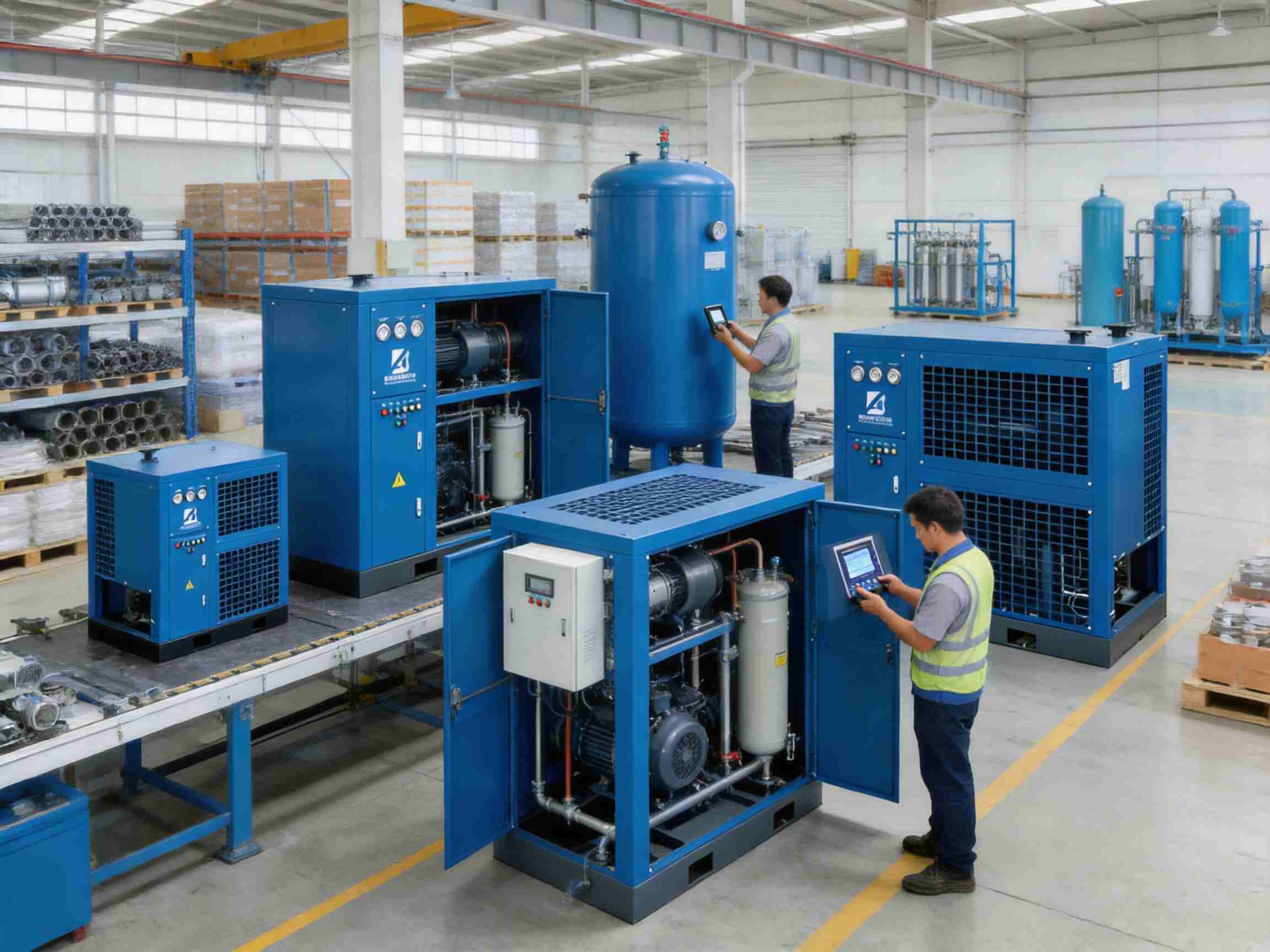
The product is manufactured by Zhejiang Baiao Gas Equipment Co., Ltd., a gas-equipment manufacturer based in Fuyang District, Hangzhou, Zhejiang Province, China. The company integrates research and development, engineering design, production, installation, and after-sales service. This integrated structure allows product development and field-service experience to inform one another.
Standardized Production Facilities
The company operates a 3,000-square-meter standardized workshop, a 500-square-meter office area, and a 500-square-meter warehouse. A dedicated workshop supports organized fabrication, assembly, inspection, and equipment handling. Office and engineering facilities support design coordination, technical documentation, customer communication, and project management.
A warehouse area is also important for production continuity. Proper storage helps protect refrigeration components, electrical parts, valves, heat exchangers, piping materials, and packaged equipment before assembly or shipment. For customized projects, organized material management reduces the possibility of component substitutions or delivery delays.
Research and Development Capability
The company specializes in gas separation and purification equipment. Its product portfolio includes PSA nitrogen generators, PSA oxygen generators, membrane nitrogen and oxygen generators, nitrogen purification units in QH and QC series, ammonia decomposition hydrogen purification units, and refrigerated air dryers.
This broader product knowledge is relevant to compressed-air drying because many gas-generation systems require clean, dry, and stable instrument air. Experience in nitrogen, oxygen, hydrogen, and purification systems gives the manufacturer a practical understanding of gas quality, process integration, pressure management, control logic, and industrial operating conditions.
Engineering Adaptation for Industrial Conditions
The company develops products using overseas technologies and optimizes them for industrial conditions in China. Technology transfer alone is not sufficient for reliable industrial equipment. Components, control systems, enclosure arrangements, piping layouts, environmental protection, and service procedures must be adapted to local operating conditions and customer requirements.
Industrial conditions can vary considerably. A compressor room may experience high ambient temperature, dust, restricted ventilation, voltage fluctuations, variable air demand, or frequent start-stop cycles. A manufacturer with engineering and installation experience can identify these conditions during project planning and recommend appropriate configurations.
Quality-Control Orientation
The company emphasizes strict quality control, technical improvement, energy efficiency, integrity, and reliable service. For a refrigerated dryer, quality control should extend beyond visual inspection. It should include refrigeration-circuit integrity, electrical safety, pressure resistance, condensate drainage, control-system function, airflow direction, component identification, and final operating checks.
Quality-oriented assembly is particularly important because a dryer is a coordinated system. A high-quality compressor cannot compensate for poor heat-exchanger assembly, inadequate insulation, incorrect refrigerant charging, blocked airflow, faulty drainage, or improper control wiring. Reliable results depend on the complete system being assembled and tested correctly.
Installation and After-Sales Support
Because the company provides installation and after-sales service, it can support customers beyond the equipment shipment. Site guidance, commissioning, operator instruction, troubleshooting, spare-parts coordination, and maintenance advice all contribute to the practical service life of the dryer.
After-sales support is especially valuable for users who operate multiple types of gas equipment. A single technical partner familiar with compressors, purification systems, nitrogen generators, oxygen generators, and dryers can help coordinate the complete gas-treatment arrangement rather than treating each component as an isolated machine.
Industrial Applications
Petrochemical and Chemical Processing
Petrochemical plants use compressed air for instruments, valves, controls, cleaning, and general plant services. Moisture can affect pneumatic control systems and contribute to corrosion in long distribution networks. A refrigerated dryer can provide an appropriate level of moisture control for general plant air, subject to the process specification.
Textile Manufacturing
Textile machinery may use compressed air for actuators, air jets, cleaning, and automation. Moisture can influence pneumatic response and may affect fibers, yarns, or fabrics in certain operations. Stable compressed-air quality supports consistent machinery operation and helps reduce unplanned maintenance.
Food Processing and Packaging
Food-processing plants often use compressed air for packaging machinery, filling systems, conveying, automation, and cleaning. The dryer can reduce moisture in the compressed-air system, but the complete air-quality design must also consider oil removal, particle filtration, hygienic materials, microbial control, and applicable food-contact or process-air standards.
Automotive Manufacturing
Automotive factories use compressed air for robots, assembly tools, paint preparation, stamping equipment, pneumatic controls, and material handling. Water in the air system may cause tool malfunction, surface defects, corrosion, or inconsistent process performance. Refrigerated drying is often used as part of a broader filtration and air-treatment system.
Heat Treatment
Heat-treatment operations require controlled process conditions and may use compressed air for instrumentation, actuators, and auxiliary functions. Moisture control protects the reliability of control equipment and supports stable plant operation. If compressed air is used directly in a process atmosphere, the required air quality must be evaluated separately.
SMT Electronics Production
Surface-mount technology production depends on clean and dependable pneumatic equipment. Moisture can affect valves, pick-and-place machinery, soldering-related equipment, and precision automation. The BBL dryer can be incorporated into the compressed-air treatment arrangement, alongside suitable particulate and oil filtration.
System Integration with Compressors and Purification Equipment
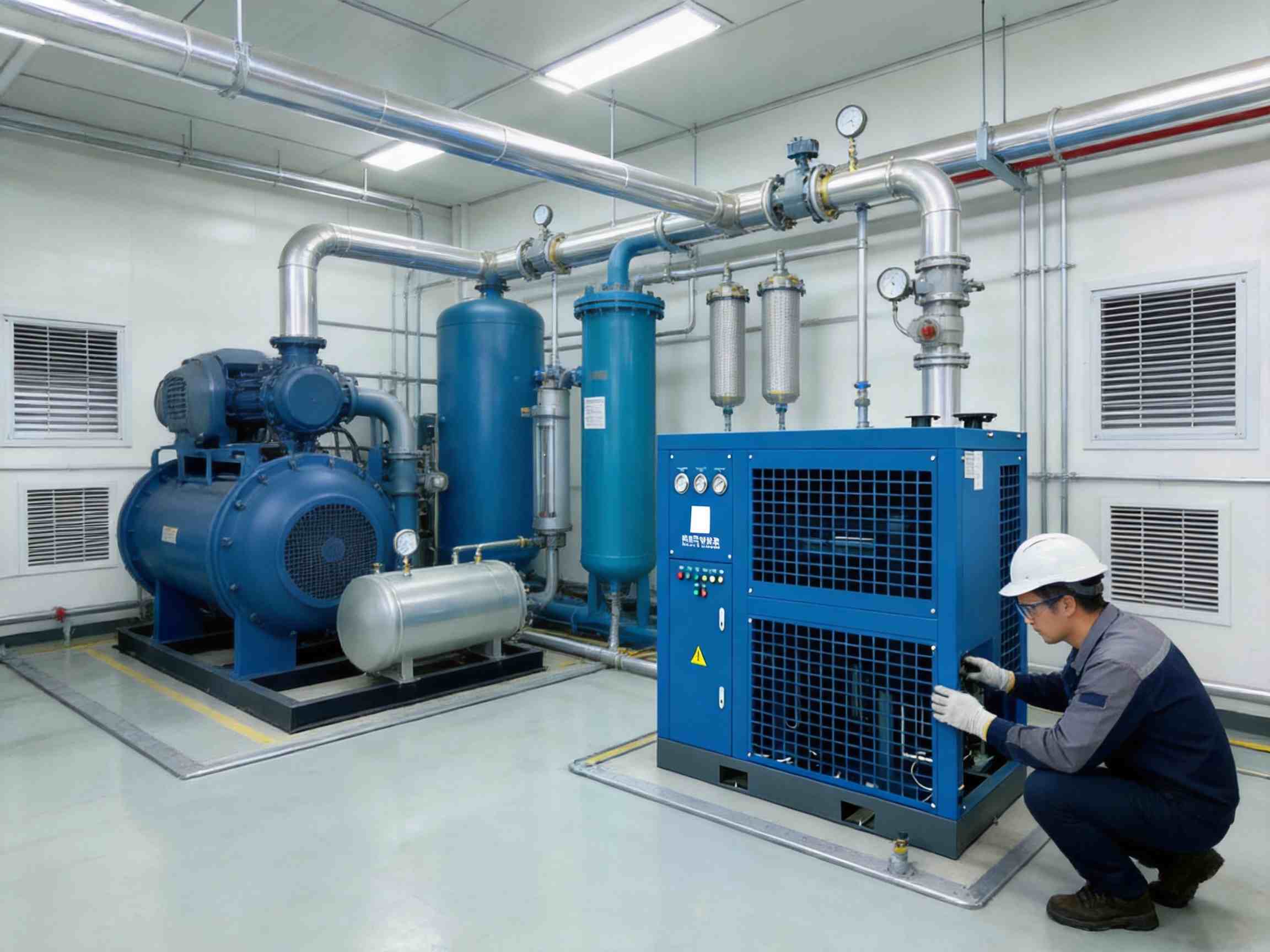
A refrigerated air dryer is normally installed downstream of an air compressor and aftercooler. A typical arrangement may include the compressor, aftercooler, moisture separator, air receiver, prefilter, refrigerated dryer, fine filter, and point-of-use treatment. The exact sequence depends on the compressor type, oil content, temperature, required air quality, and process application.
The dryer should be selected according to actual compressed-air flow rather than compressor nameplate power alone. A compressor may operate at partial load, and several compressors may share one dryer. The user should examine maximum flow, normal flow, minimum flow, pressure range, inlet temperature, ambient temperature, and future expansion plans.
When the dryer is linked to an air compressor, the control system may support coordinated operation. Communication interfaces such as RS485 or RS232 can help transmit status information to a central control system. Linkage functions may also allow the dryer and compressor to operate in a more coordinated manner, reducing unnecessary running time during periods of low air demand.
For systems that include nitrogen or oxygen generators, dry compressed air may be required before the air enters the gas-generation equipment. Moisture control can help protect molecular sieve beds, valves, filters, and downstream purification components. The correct dryer and filtration arrangement should be determined from the gas generator’s inlet-air specification.
Installation Recommendations
The dryer should be installed indoors or in a protected location with sufficient ventilation. Air-cooled units reject heat into the surrounding environment, so the room must have an appropriate air-exchange arrangement. If hot exhaust air recirculates into the condenser, the condensing temperature may increase and refrigeration performance may decline.
The inlet compressed-air temperature must remain within the specified limit. An effective aftercooler and moisture separator upstream of the dryer can reduce the thermal and liquid-water load. Sending excessively hot or saturated air into the dryer may reduce performance and increase operating stress.
Pipeline installation should follow the marked airflow direction. Isolation valves should be installed where practical to support service without shutting down the entire plant. A bypass arrangement may be useful for maintenance, but it must be designed carefully so that untreated air cannot accidentally enter a sensitive process.
The floor or support structure must be strong enough for the selected model. Larger units such as the BBL-40F and BBL-60F have substantial weights and dimensions. Lifting, positioning, access routes, and maintenance clearances should be planned before delivery.
Electrical installation must match the confirmed voltage and frequency. The power supply should include suitable protection, grounding, and isolation. Because some catalog rows require confirmation of their exact power-supply values, the final electrical design should be based on the approved technical drawing and equipment nameplate.
The condensate drain should be routed to a safe collection or treatment point. Discharge piping must not be submerged or blocked in a way that prevents drainage. If compressor oil is present in the condensate, local environmental regulations may require oil-water separation before discharge.
Operation and Maintenance
Routine Inspection
Operators should inspect the digital display, alarm status, inlet and outlet pressure, drainage condition, and surrounding ventilation during routine rounds. Any unusual noise, vibration, temperature, refrigerant odor, water carryover, or pressure drop should be investigated promptly.
Condenser Cleaning
Air-cooled condensers collect dust and airborne fibers over time. A dirty condenser restricts heat transfer, raises refrigeration pressure, and increases energy consumption. Cleaning frequency depends on the environment. Textile factories, workshops with heavy dust, and poorly ventilated compressor rooms may require more frequent inspection.
Drainage Checks
The condensate drainage system should be tested regularly. A blocked drain can cause liquid accumulation and downstream water carryover. Operators should also inspect drain tubing, valves, electrical connections, and collection arrangements.
Filter Maintenance
Upstream and downstream filters should be maintained according to their pressure-drop and service requirements. A clogged filter may create excessive pressure loss and reduce the efficiency of the complete compressed-air system. Filters should be selected for the required particle, oil, and water-removal performance.
Refrigeration-System Service
Refrigeration maintenance should be performed by qualified personnel. The service scope may include checking refrigerant pressures, electrical connections, compressor operation, condenser condition, expansion devices, sensors, and control functions. Refrigerant handling must comply with applicable safety and environmental regulations.
How to Select the Correct Model
Model selection begins with the required flow rate. The selected dryer should be able to handle the maximum expected compressed-air demand under the actual inlet and ambient conditions. Choosing a unit only for average flow may result in inadequate drying during production peaks.
Pressure must also be considered. Standard models are specified for 0.2–1.0 MPa, while higher-pressure configurations from 1.0–3.0 MPa are available. The pressure rating of the complete system must include the dryer body, heat exchanger, separator, valves, drains, filters, and connecting pipes.
Inlet temperature is another important factor. If the compressed air enters above 45°C, the dryer may not achieve the stated performance. The compressor aftercooler should therefore be checked, especially in hot climates or compressor rooms with limited ventilation.
Ambient temperature affects air-cooled performance. The published maximum ambient temperature is 38°C. Where the site may exceed this value, the customer should discuss alternative arrangements, improved ventilation, derating, or another cooling method before purchase.
Connection diameter should match the plant pipeline while avoiding unnecessary restrictions. The BBL range includes connection sizes from DN25 to DN125. The final selection should also consider available space, lifting capacity, electrical supply, drainage, service access, and planned future capacity.
Technical Questions to Confirm Before Ordering
Customers should provide the supplier with the compressor flow rate, operating pressure, inlet temperature, ambient temperature, required dew point, power supply, installation location, and application type. If the air will contact food, pharmaceuticals, electronics, or a direct process stream, the customer should also identify applicable cleanliness and material requirements.
It is useful to request a confirmed data sheet for the selected model. The document should state the rated flow reference condition, power supply, installed power, dimensions, weight, connection size, pressure rating, refrigerant information, control functions, and drainage configuration.
Users should also clarify whether the dryer will be supplied with communication interfaces, compressor linkage, remote alarm contacts, spare parts, installation support, commissioning, and operator training. These details can make a substantial difference in a large industrial project.
Q&A
What is a refrigerated air dryer?
A refrigerated air dryer is a compressed-air treatment device that cools hot, humid compressed air until water vapor condenses. The condensed water is separated from the air and discharged, allowing drier compressed air to continue to the downstream system.
What dew point does the BBL dryer provide?
The published dew point is no higher than -23°C under the stated operating conditions. Actual performance depends on pressure, flow, inlet temperature, ambient temperature, condenser cleanliness, and correct installation.
Is the BBL dryer air-cooled or water-cooled?
The supplied specification identifies the BBL series as air-cooled. It rejects refrigeration heat through an air-cooled condenser and therefore does not require a dedicated cooling-water circuit.
What is the standard working-pressure range?
The standard working-pressure range is 0.2–1.0 MPa. Configurations for 1.0–3.0 MPa are available and should be specifically confirmed during technical selection.
Can the dryer be connected to an air compressor control system?
Optional RS485, RS232, and linkage interfaces are available for remote communication, centralized control, and coordinated operation with air compressors. The exact protocol and interface configuration should be confirmed for the intended control system.
Does the dryer remove oil and particles?
The primary function of the refrigerated dryer is moisture removal through cooling and condensation. Oil and solid particles require appropriate upstream or downstream filters. A complete compressed-air treatment system should be designed according to the required air-quality class.
Does the equipment need a special foundation?
The compact structure allows installation without a special foundation under suitable site conditions. Nevertheless, the installation surface must be level, stable, and capable of supporting the equipment. Larger models require careful review of weight, lifting, and maintenance access.
Why is condensate drainage important?
Drainage removes the liquid water created during cooling. If the drain is blocked or improperly installed, condensate may accumulate inside the dryer or be carried into the outlet air, reducing drying performance and potentially damaging downstream equipment.
What industries can use this dryer?
The dryer can be used in compressed-air systems serving petrochemical, textile, food-processing, automotive, heat-treatment, SMT electronics, general manufacturing, and pneumatic automation applications. The complete air-quality requirements should be evaluated for each process.
How should the capacity be selected?
Capacity should be selected according to maximum actual compressed-air flow, operating pressure, inlet temperature, ambient temperature, and required dew point. The user should not rely only on compressor motor power or average daily consumption.
What maintenance does an air-cooled dryer require?
Routine maintenance includes checking alarms, drainage, airflow, condenser cleanliness, electrical connections, filters, pressure drop, and unusual noise or vibration. Refrigeration-circuit service should be handled by qualified technicians.
Are the published catalog values sufficient for final purchase?
They are useful for preliminary comparison, but the final selection should use a confirmed technical data sheet. In particular, the customer should verify flow units, power supply, installed power, pressure rating, and performance conditions for the selected model.
Conclusion
The BBL Refrigerated Air Dryer provides an integrated solution for reducing moisture in industrial compressed-air systems. Its operating principle is straightforward but effective: cool humid compressed air, condense water vapor, separate the liquid, and discharge the condensate. The design adds value through recognized refrigeration components, Danfoss refrigeration-system components, powder-coated internal air-contact surfaces, a gas-liquid separator, digital programmable control, optional communication interfaces, and comprehensive alarm functions.
Compared with basic cooling equipment or poorly integrated dryers, the product offers a more complete approach to moisture management. Its air-cooled configuration can simplify installation, while its broad model range supports applications from compact machinery systems to larger industrial plants. The equipment can also be integrated with compressors, centralized control systems, and other gas-purification equipment.
The manufacturer’s strengths extend beyond the dryer itself. Research and development, standardized production, equipment assembly, installation, and after-sales service are combined within one organization. Its wider experience with PSA nitrogen generators, PSA oxygen generators, membrane gas generators, nitrogen purification, and hydrogen purification supports a broader understanding of industrial gas quality and process integration.
For the best result, users should select the model according to real flow, pressure, temperature, ambient, and air-quality requirements. Correct installation, effective ventilation, clean heat-transfer surfaces, reliable drainage, and regular maintenance are essential to achieving stable performance. When properly specified and operated, a refrigerated air dryer can protect pneumatic equipment, reduce moisture-related failures, improve plant reliability, and support more efficient industrial production.
References
1. Product technical information for the BBL Refrigerated Air Dryer, including operating principle, specifications, features, model range, dimensions, and equipment weights.
2. General engineering principles of compressed-air refrigeration drying, condensation, gas-liquid separation, and condensate drainage.
3. Industrial compressed-air system design practices for compressor aftercooling, filtration, pressure control, drainage, and air-quality management.
4. Refrigeration-system engineering principles covering compressors, condensers, expansion devices, evaporators, heat exchange, and maintenance.
5. Good-practice guidance for the installation, operation, inspection, and maintenance of air-cooled compressed-air dryers.
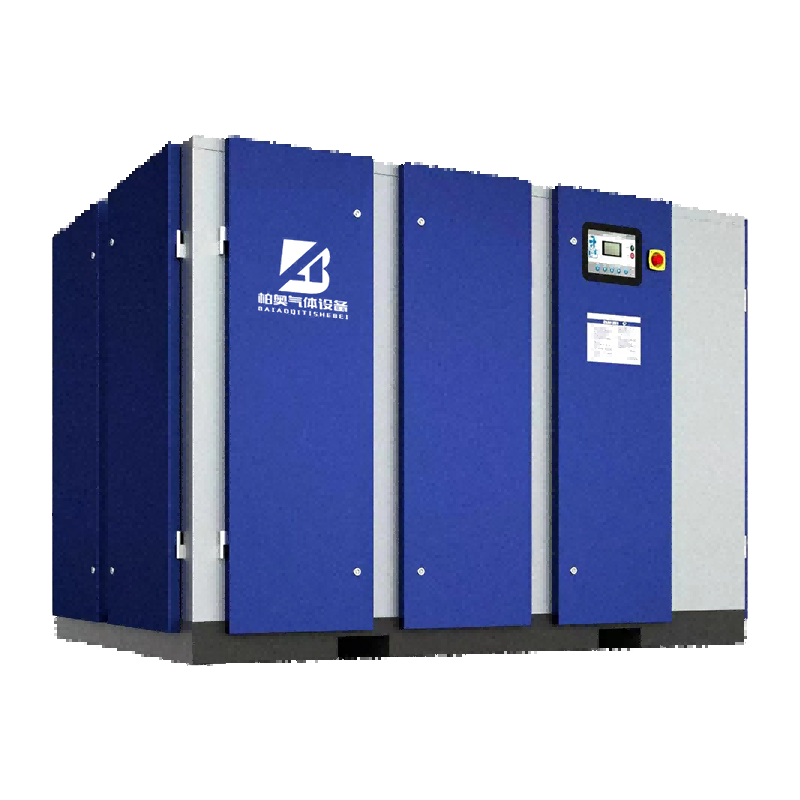
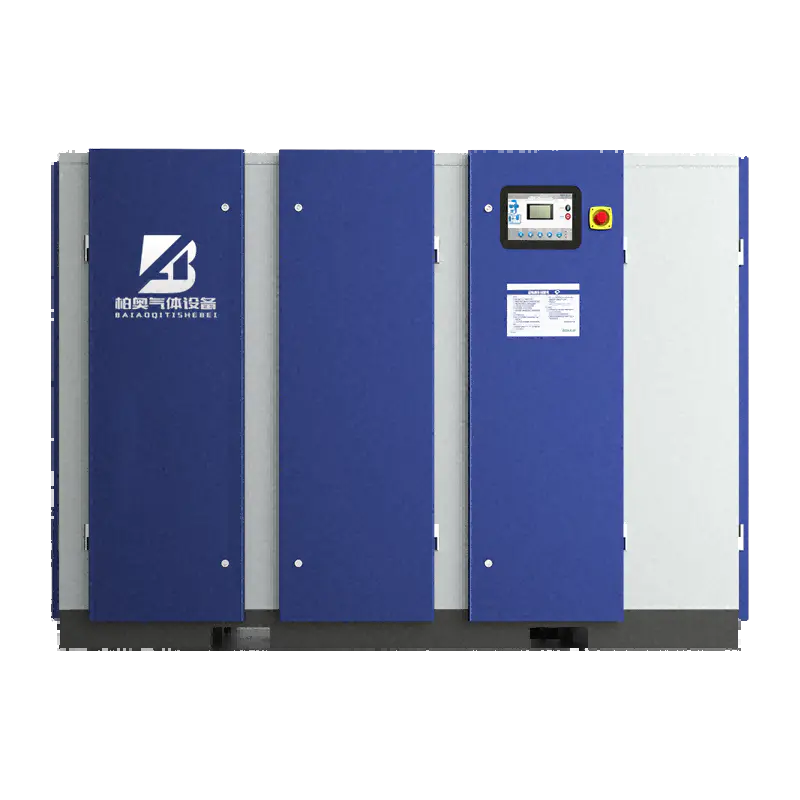
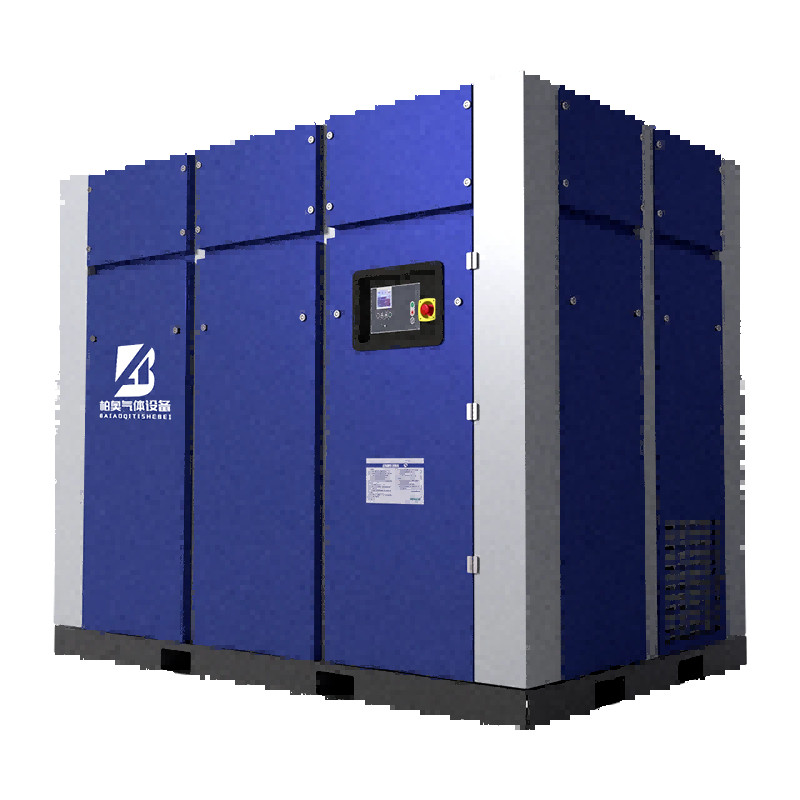
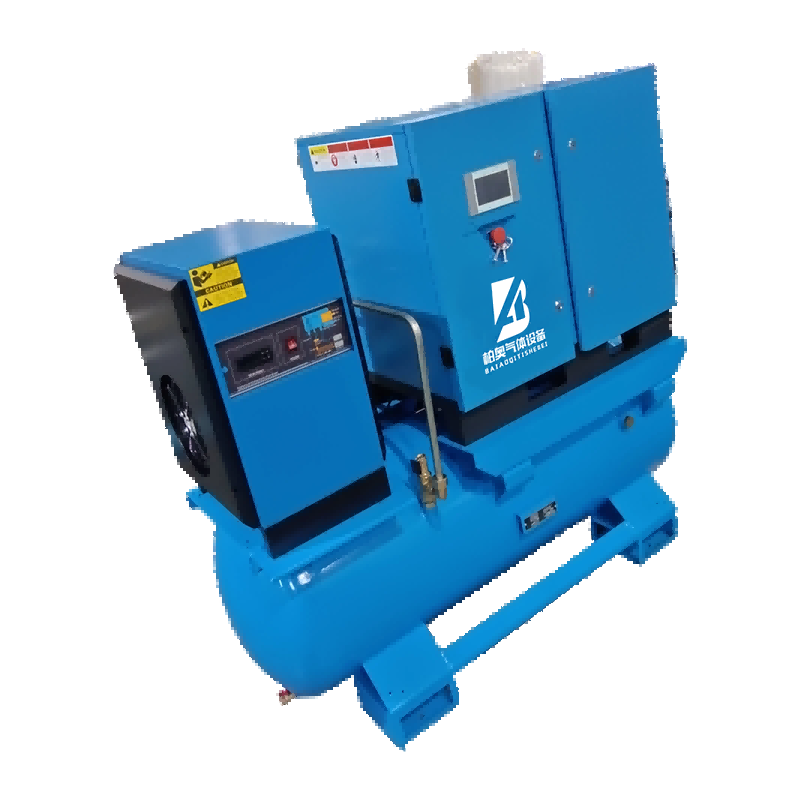
Product: BBL Refrigerated Air Dryer

- Tel: +86-15057127179
+86-13588382771 - Email: huang.yifan0215@gmail.com
- Address: Huanshan Township, Fuyang District, Hangzhou City, Zhejiang Province
Copyright © Zhejiang Baiao Gas Equipment Co., Ltd. All Rights Reserved.
Privacy
Gas Generator Plant Manufacturer, Industrial Purification Equipment Plant
