 en
en русский
 Español
 عربى
عربى
BAF Precision Filter: Efficient Compressed-Air Purification for Industrial Gas Systems
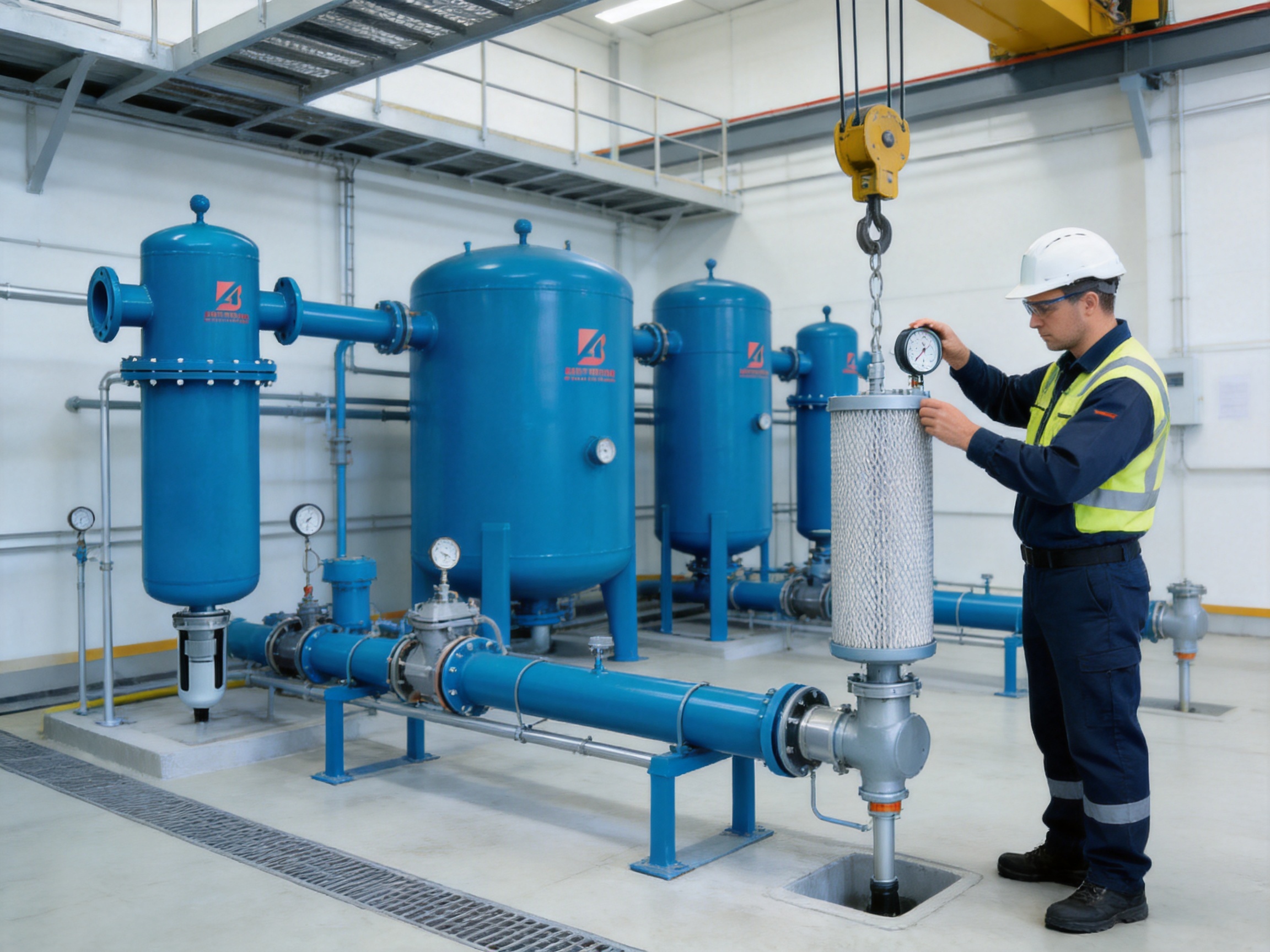
Compressed air is a critical utility in modern manufacturing. It powers pneumatic tools, actuators, control systems, packaging equipment, instrumentation, automated production lines, and many other industrial processes. However, compressed air leaving a compressor is rarely clean enough for direct use. It may contain oil aerosols, liquid water, water mist, rust particles, dust, and other solid contaminants. If these impurities are not removed, they can damage downstream equipment, reduce product quality, increase maintenance requirements, and raise the total cost of operating an air system.
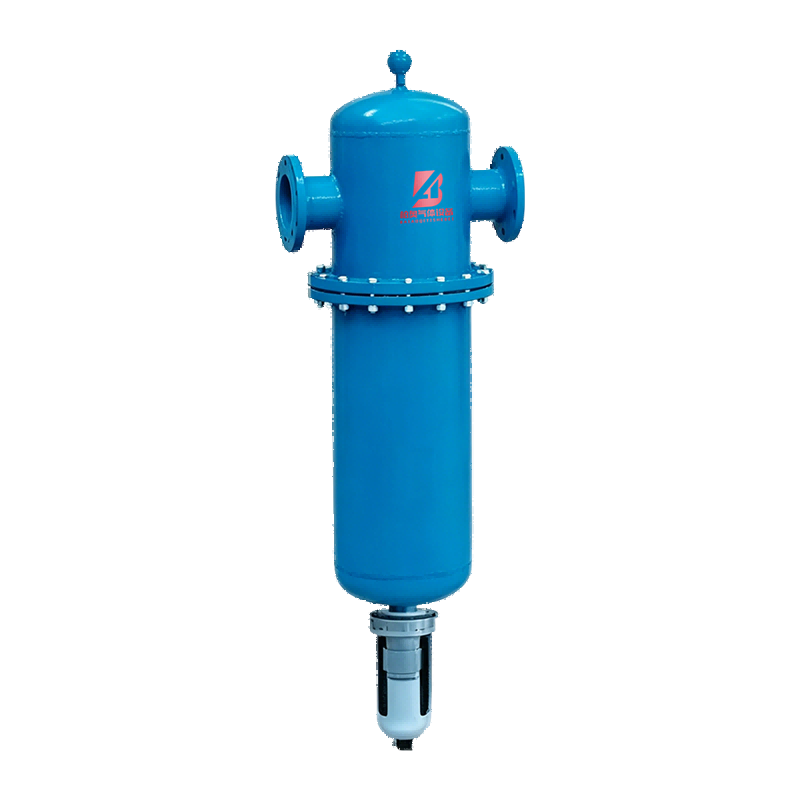
The BAF Precision Filter is designed to address these challenges through staged filtration for industrial compressed-air applications. It primarily removes oil, liquid water mist, and dust from compressed air while maintaining a low pressure drop and practical operating cost. Available in C, T, and A filtration stages, the product provides a choice of filtration performance for different air-quality requirements, from general-purpose moisture and particle removal to fine filtration for more demanding equipment.
With operating pressure options from 0.4 to 1.0 MPa and an available range of 1.0 to 3.0 MPa, the filter can be integrated into a broad selection of compressed-air systems. Its model range extends from compact units rated at 1.2 Nm³/h to larger systems rated at 330 Nm³/h. This range allows users to select a filter according to the air volume, pipe connection, installation space, and treatment requirements of a particular production line.
BAF Precision Filter
Content
- 1 Why Compressed-Air Purification Matters
- 2 Working Principle of the BAF Precision Filter
- 3 Key Technical Specifications
- 4 Product Range and Capacity Selection
- 5 Advantages Compared with Basic or Unmatched Filtration Solutions
- 6 Manufacturing and Engineering Strengths
- 7 Application in Gas Separation and Purification Systems
- 8 Industrial Applications
- 9 System Configuration and Installation Considerations
- 10 Maintenance and Operating-Cost Considerations
- 11 How the Product Supports Energy Efficiency
- 12 Choosing Between C, T, and A Grades
- 13 Why Integrated Supplier Capability Matters
- 14 Recommended Selection Procedure
- 15 Q&A
- 15.1 What contaminants does the BAF Precision Filter remove?
- 15.2 What are the available filtration grades?
- 15.3 Can the grades be used together?
- 15.4 What operating pressure can the filter handle?
- 15.5 What is the maximum inlet air temperature?
- 15.6 What is the specified pressure drop?
- 15.7 Which model is suitable for a small compressed-air system?
- 15.8 Which is the largest listed model?
- 15.9 Can the filter be used before a PSA nitrogen generator?
- 15.10 Does the filter replace a dryer?
- 15.11 How should the filter be maintained?
- 15.12 Why is correct sizing important?
- 15.13 Are the listed dimensions final for installation?
- 16 Conclusion
- 17 References
- 18 Product: BAF Precision Filter
Why Compressed-Air Purification Matters
Air compressors draw atmospheric air into a system. Although the air may appear clean, it naturally contains airborne dust, moisture, hydrocarbons, and other particles. During compression, the concentration of these contaminants increases. In oil-lubricated compressors, lubricant may also become entrained in the compressed-air stream as vapor, aerosol, or liquid carryover. Cooling after compression causes water vapor to condense, resulting in liquid water and water mist within the piping network.
These contaminants can create several operational problems. Water can corrode pipework, damage pneumatic components, freeze in outdoor lines, and interfere with painting or processing operations. Oil can contaminate products, impair sensitive instruments, and reduce the performance of adsorption media, membranes, catalysts, and other downstream purification equipment. Dust and rust particles can block or wear valves, clog nozzles, and shorten the service life of cylinders and control devices.
In gas-generation systems, clean feed air is particularly important. PSA nitrogen generators, PSA oxygen generators, membrane separation units, and other gas-purification systems depend on stable feed conditions. Excess oil and moisture can foul separation media or reduce the reliability of switching valves and control components. A properly selected precision filter therefore supports not only compressed-air quality but also the performance and durability of the complete gas-treatment system.
The BAF Precision Filter is intended to serve as a practical barrier between the compressor and downstream equipment. By removing a large proportion of free water, oil, liquid mist, and dust, it helps protect production assets and provides a more consistent air stream for subsequent treatment stages.
Working Principle of the BAF Precision Filter
The BAF Precision Filter uses a filtration process in which contaminated compressed air passes through a specialized filter element. As the air moves through the element, solid particles and liquid contaminants are separated from the gas stream. The filtered air continues toward the outlet, while collected contaminants are retained within the filter assembly and can be managed through the system’s maintenance and drainage arrangement.
The design objective is to balance purification performance with airflow resistance. A filter that removes contaminants but produces excessive pressure loss can force the compressor to work harder, increasing energy consumption. The BAF series is specified with a pressure drop of no more than 0.01 MPa under the stated operating conditions. This low pressure-drop target helps preserve useful downstream pressure and supports efficient operation.
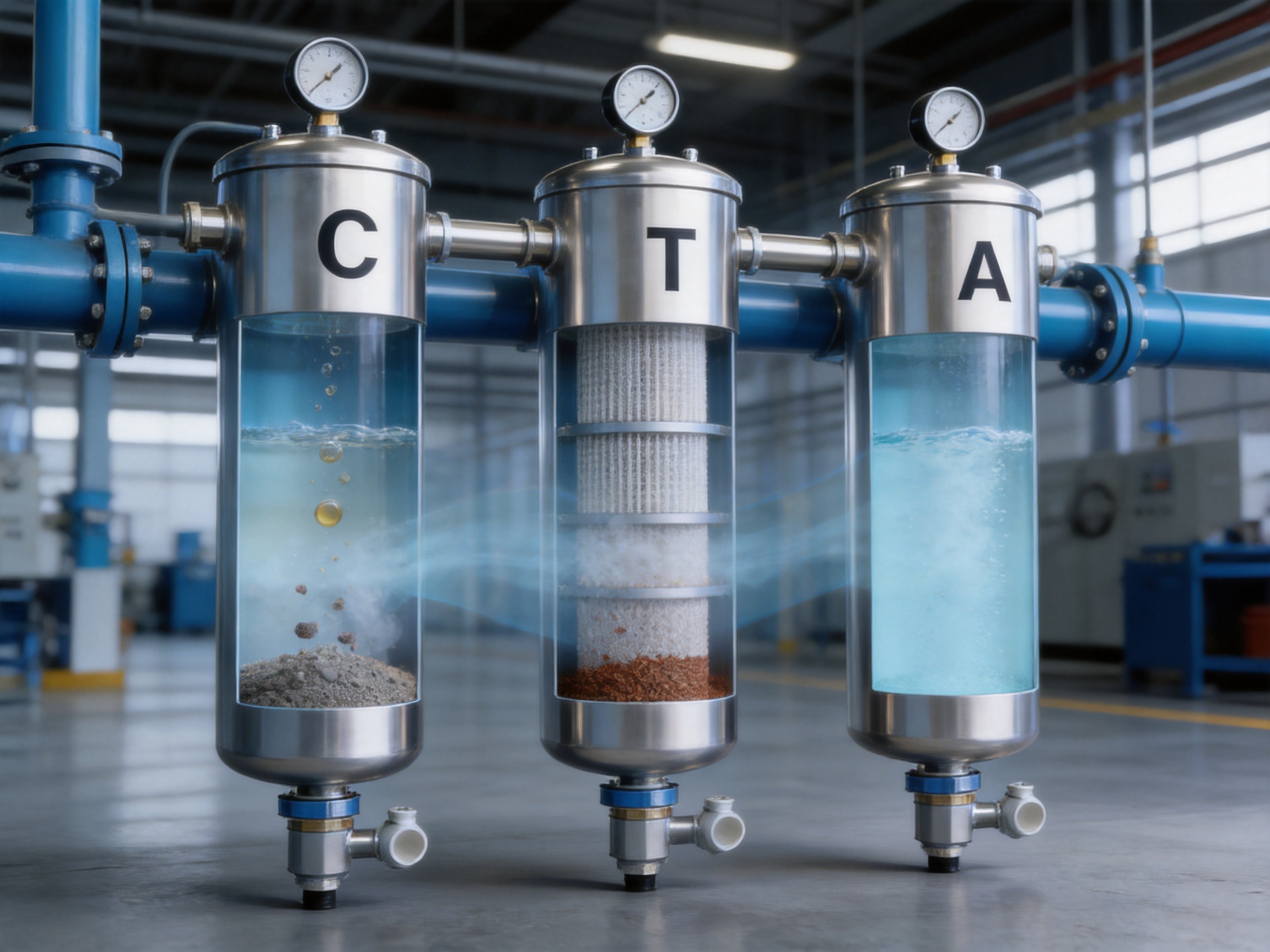
The filter is divided into three primary grades: C, T, and A. Each grade is intended for a different level of compressed-air treatment. Users can select one grade or combine stages when a more complete treatment train is required. The correct arrangement depends on the compressor type, inlet contamination, required air quality, downstream equipment, and operating environment.
C-Level Filtration
The C level has a filtration accuracy of no more than 3 micrometers. According to the supplied technical information, it removes 99.999% of free water. This grade is suitable as a general-purpose filtration stage where the main objective is the removal of larger particles, liquid water, and coarse contamination from compressed air.
In many installations, the C level can serve as an initial protection stage. It reduces the contaminant load entering finer filters and helps prevent premature blockage of downstream elements. It may be applied after an air receiver, after a cooler, or before more precise treatment equipment, depending on the layout of the compressed-air system.
T-Level Filtration
The T level provides filtration accuracy of no more than 1 micrometer. The stated free-water removal rate is 99.99%. Compared with the C level, the T level is intended for more refined removal of small particles and liquid contaminants.
T-level filtration can be useful for pneumatic systems, general manufacturing equipment, and process-air applications where cleaner air is required than a coarse prefilter can provide. It may also be selected as an intermediate treatment stage before fine filtration, drying, or gas purification.
A-Level Filtration
The A level has a filtration accuracy of no more than 0.01 micrometer. The supplied specifications state a free-water removal rate of 99.9%. This grade is designed for applications requiring fine filtration and improved protection for sensitive downstream equipment.
A-level filtration may be used near instrumentation, precision pneumatic controls, gas-generation systems, or other processes in which fine contamination can affect reliability. Because fine filters are more sensitive to loading, they are often used together with upstream filtration rather than as the only filter in a system.
Key Technical Specifications
The BAF Precision Filter is specified for an operating pressure of 0.4–1.0 MPa, with a higher-pressure option of 1.0–3.0 MPa available. This range covers many industrial compressed-air systems. Before ordering, users should confirm the actual line pressure, pressure fluctuations, safety requirements, and connection standards of the application.
The maximum inlet air temperature is 50°C. Temperature control is important because excessive heat can affect seals, filter media, drainage performance, and the stability of the complete compressed-air treatment system. Where compressor discharge temperatures are higher, an aftercooler or other cooling arrangement may be required before the air enters the filter.
The specified pressure drop is no more than 0.01 MPa. Maintaining a low pressure drop is an important advantage in industrial air treatment because every unnecessary pressure loss can increase compressor loading. A low-resistance filter can help users preserve system efficiency while still improving air quality.
Technical item |
Specification |
Primary contaminants removed |
Oil, liquid water mist, free water, dust, and solid particles |
Available filtration grades |
C, T, and A |
C-level filtration accuracy |
≤3 μm |
T-level filtration accuracy |
≤1 μm |
A-level filtration accuracy |
≤0.01 μm |
Operating pressure |
0.4–1.0 MPa |
Optional higher-pressure range |
1.0–3.0 MPa |
Maximum inlet air temperature |
≤50°C |
Specified pressure drop |
≤0.01 MPa |
Product Range and Capacity Selection
The BAF series includes models for both small and high-capacity compressed-air requirements. The smallest listed model, BAF-1, has a rated gas processing capacity of 1.2 Nm³/h. At the upper end of the listed range, BAF-300 is rated at 330 Nm³/h. Between these points are multiple models that allow users to select a capacity more closely matched to actual demand.
Correct sizing is essential. A filter that is too small may create excessive pressure drop, experience rapid loading, and fail to provide the intended airflow. A filter that is significantly oversized may increase initial cost and occupy more installation space than necessary. Selection should consider the compressor’s normal flow, peak demand, future expansion, operating pressure, air temperature, and the required safety margin.
The rated processing capacities supplied for the BAF models are presented in the following table. Dimensions are shown as height and width according to the supplied product information. The inlet and outlet diameter is identified by DN. Users should confirm final dimensions, connection details, and configuration with the manufacturer before preparing foundations or pipework.
Model |
Rated gas processing capacity (Nm³/h) |
Inlet and outlet diameter DN (mm) |
Height H (mm) |
Width W (mm) |
Equipment weight (kg) |
BAF-1 |
1.2 |
25 |
550 |
250 |
20 |
BAF-2 |
2.4 |
25 |
550 |
250 |
23 |
BAF-3 |
3.6 |
32 |
666 |
280 |
28 |
BAF-6 |
7.2 |
40 |
725 |
320 |
56 |
BAF-12 |
13.2 |
50 |
793 |
320 |
62 |
BAF-20 |
22 |
65 |
987 |
410 |
86 |
BAF-30 |
33 |
80 |
1106 |
538 |
98 |
BAF-40 |
44 |
100 |
1156 |
48 |
110 |
BAF-60 |
66 |
125 |
1310 |
650 |
130 |
BAF-80 |
88 |
150 |
1426 |
650 |
180 |
BAF-100 |
110 |
150 |
1454 |
740 |
240 |
BAF-150 |
165 |
200 |
1720 |
780 |
320 |
BAF-200 |
220 |
250 |
2085 |
960 |
505 |
BAF-300 |
330 |
300 |
2175 |
1000 |
610 |
The published table contains a few formatting irregularities, including the width entry for BAF-40 and the original spelling of one model designation. These values should be verified against the latest technical drawing and quotation before procurement. This verification step is standard practice for industrial equipment and helps ensure that installation planning is based on confirmed dimensions.
Advantages Compared with Basic or Unmatched Filtration Solutions
One of the main advantages of the BAF Precision Filter is its staged filtration concept. Basic filters may provide only coarse particle removal, leaving fine oil aerosols, water mist, or small particles in the air stream. In contrast, the C, T, and A grades allow the user to select a filtration level that corresponds to the actual process requirement.
This flexibility can reduce the risk of both under-treatment and over-treatment. Under-treatment may expose expensive downstream equipment to contamination. Over-treatment may increase capital cost and replacement-element expenses without delivering a meaningful process benefit. A staged product family makes it easier to configure a balanced air-treatment system.
The product also combines broad model coverage with multiple connection sizes. DN25 through DN300 connections are listed across the range, allowing the same product family to serve compact equipment and larger industrial air networks. This reduces the need to combine unrelated filter designs when a plant has multiple compressed-air applications.
Low pressure drop is another important comparative benefit. A high-resistance filter can reduce the pressure available at the point of use and may cause operators to increase compressor discharge pressure. A specified pressure drop of no more than 0.01 MPa supports a more energy-conscious system design, provided the filter is correctly sized and maintained.
The available higher-pressure configuration also expands application possibilities. Some industrial systems operate above the standard 0.4–1.0 MPa range. The option for 1.0–3.0 MPa operation allows the filter to be considered for specialized high-pressure applications, subject to confirmation of the selected design, materials, seals, and certification requirements.
Ease of use is another stated product feature. A practical industrial filter should be straightforward to install, inspect, and maintain. The broad selection of models, clear capacity categories, and uncomplicated filtration purpose make the product suitable for integration into compressor rooms, gas-treatment skids, production lines, and modular purification systems.
Manufacturing and Engineering Strengths
The performance of an industrial filter depends not only on its stated specifications but also on the consistency of its design, manufacturing, inspection, and support processes. The manufacturer behind the BAF Precision Filter integrates research and development, engineering design, production, installation, and after-sales service. This integrated structure helps connect technical requirements with practical equipment delivery.
The company operates a standardized workshop of approximately 3,000 square meters, an office area of approximately 500 square meters, and a warehouse of approximately 500 square meters. These facilities provide space for manufacturing activities, engineering coordination, component storage, finished-equipment handling, and customer support. A dedicated warehouse can also help organize materials and finished products for more efficient delivery.
Product development is supported by a professional team focused on equipment design, production, and customer service. The company’s product portfolio includes PSA nitrogen generators, PSA oxygen generators, membrane nitrogen and oxygen generators, nitrogen purification units, and ammonia decomposition hydrogen purification units. This broader product knowledge is relevant to precision filtration because filters are often used as part of a complete gas-generation or purification project rather than as isolated components.
The company states that its products are developed using overseas technologies and optimized for industrial conditions in China. This approach combines established separation and purification concepts with adaptation to local operating environments, project requirements, and service conditions. For customers, the benefit is the ability to discuss filtration as part of a complete system instead of treating it as an unrelated accessory.
Manufacturing quality depends on controlling several stages. These include material receiving, component preparation, vessel or housing fabrication, filter-element installation, sealing, assembly, pressure-related inspection, dimensional verification, surface treatment, packaging, and final delivery. While exact internal procedures may vary by model, a disciplined process is essential for maintaining consistent airflow paths and preventing bypass around the filter element.
Engineering coordination is particularly important for larger models. The BAF-60 through BAF-300 models have substantially greater capacities, dimensions, and weights than the compact units. Their installation may require lifting access, support structures, suitable pipe alignment, drainage planning, and adequate service clearance. A manufacturer that combines design and installation expertise can help reduce errors during project implementation.
Quality control also includes matching the selected filter grade to the customer’s air-quality objective. A filter’s nominal precision alone does not determine total system performance. Compressor type, oil carryover, inlet temperature, condensate volume, pipe contamination, flow variation, and downstream equipment all influence the result. Technical consultation helps ensure that a C, T, or A stage is used in the correct position.
Application in Gas Separation and Purification Systems
The BAF Precision Filter is suitable for use in compressed-air preparation before gas separation and purification equipment. PSA nitrogen generators use adsorbent beds and automatic switching valves to separate nitrogen from other components of air. PSA oxygen generators use a similar pressure-swing principle with adsorbent materials selected for oxygen production. Both types of systems benefit from clean and stable feed air.
Oil and water can reduce the effectiveness of adsorption materials and may accelerate wear or contamination of valves. Dust can block small passages and impair switching performance. Installing suitable prefiltration upstream of the generator helps reduce the contaminant burden and supports more stable operation.
Membrane nitrogen and oxygen generators also require suitable feed-air conditioning. Membrane systems depend on controlled flow through selective membrane modules. Contamination can affect membrane performance, while water and oil may compromise the module or alter separation behavior. The appropriate BAF filtration grade can form part of a broader pretreatment package that may also include cooling, drying, and coalescing stages.
Nitrogen purification units, including QH and QC series equipment, can require clean feed gas and controlled operating conditions. The precision filter can be selected according to the required inlet quality and positioned before purification, storage, or distribution equipment.
Ammonia decomposition hydrogen purification systems likewise require reliable gas conditioning. Although the filter is not a substitute for a complete hydrogen purification process, it can contribute to the removal of particulate and liquid contamination in the relevant compressed-gas sections, subject to material compatibility and project-specific engineering review.
Industrial Applications
Petrochemical Operations
Petrochemical facilities use compressed air for instrumentation, pneumatic actuators, valve operation, control systems, and maintenance tools. The air may be distributed across large plants through extensive pipe networks. Moisture, oil, and dust can cause control instability and accelerate corrosion. A properly sized BAF filter can be installed at a central air-treatment point or near sensitive equipment.
Textile Manufacturing
Textile equipment often uses pneumatic controls, air jets, tension systems, and automated handling devices. Stable air quality supports consistent machine operation and reduces contamination risks. Depending on the machinery and process requirements, C, T, or A filtration may be selected for different points in the plant.
Food Processing
Food-processing facilities frequently require clean compressed air for packaging, conveying, actuating, and control. Where compressed air may contact products or packaging, the complete air-treatment system must be designed according to applicable hygiene and safety requirements. The BAF filter can provide a particulate and liquid-contaminant removal stage, but final food-contact suitability must be evaluated using the applicable regulations, materials, and validation procedures.
Automotive Manufacturing
Automotive factories use compressed air for robotic tools, assembly equipment, painting, clamping, machining, and quality-control systems. Oil or water in the air can affect paint finishes, tool performance, and automated production. A combination of coarse, intermediate, and fine filtration can help match air treatment to the requirements of each application.
Heat Treatment
Heat-treatment facilities use control air and process-related gas systems in demanding industrial environments. Reliable pneumatic controls are essential for maintaining repeatable cycles and safe equipment operation. The BAF filter can be integrated into the upstream air preparation arrangement, provided the operating temperature and pressure remain within the selected model’s design conditions.
SMT Electronics Production
Surface-mount technology production uses precision automation, pneumatic pick-and-place equipment, soldering systems, dispensing machines, and clean process environments. Fine particles and oil aerosols can be especially undesirable around sensitive electronic products. The A-level option may be considered where fine filtration is needed, usually after suitable upstream stages have reduced the larger contaminant load.
System Configuration and Installation Considerations
A precision filter should be installed in a position where the air conditions are suitable and the unit can be serviced safely. In many systems, the filter is positioned after an aftercooler or receiver so that a significant portion of bulk condensate has already been removed. The final arrangement depends on compressor type, cooling method, air receiver location, dryer configuration, and the quality required at the point of use.
Pipework should be supported independently so that excessive mechanical loads are not transferred to the filter housing. Inlet and outlet piping should be aligned correctly, and valves should be provided where isolation is required for maintenance. The installation area should provide enough clearance to remove the filter element, inspect the housing, and access the drainage or condensate-management components.
Flow direction must be observed. Reversing the inlet and outlet can reduce filtration performance and may damage internal components. The selected DN connection should correspond to the actual pipe size and flow requirement. Reducers can be used where appropriate, but unnecessary reductions may increase velocity and pressure loss.
Operating pressure and temperature must remain within the selected model’s limits. The standard pressure range is 0.4–1.0 MPa, with higher-pressure configurations available from 1.0 to 3.0 MPa. Inlet air temperature should not exceed 50°C based on the supplied specification. Pressure gauges or differential-pressure monitoring can be useful for identifying element loading and determining when maintenance is needed.
For installations exposed to outdoor conditions, the user should consider weather protection, freezing risk, corrosion, drainage, and ambient temperature. The filter should be protected from impact and positioned away from sources of excessive heat. Special applications involving aggressive gases, high humidity, food contact, oxygen service, or hydrogen service should undergo a dedicated compatibility review before selection.
Maintenance and Operating-Cost Considerations
The BAF Precision Filter is described as having low operating costs, but economical operation depends on correct sizing and regular maintenance. A filter element that becomes heavily loaded can produce a higher pressure drop, reduce available airflow, and increase compressor energy consumption. Routine inspection helps prevent a small maintenance issue from becoming a system-wide efficiency problem.
Operators should monitor pressure before and after the filter when possible. A gradual increase in differential pressure may indicate that the element is accumulating dust, oil, or other contaminants. Sudden changes may suggest an abnormal contamination event, damaged element, blocked drainage path, or instrumentation problem.
Condensate should be managed safely and according to the site’s environmental procedures. Oil-containing liquid should not be discharged without appropriate treatment. Drainage devices should be checked for blockage, leakage, and correct operation. Accumulated liquid inside a filter housing can reduce effective filtration and may be carried into downstream equipment.
Replacement intervals should not be based solely on calendar time. The correct interval depends on operating hours, flow rate, inlet contamination, compressor condition, temperature, humidity, and observed pressure drop. High-contamination environments may require more frequent inspection. A clean compressor room, effective aftercooling, and suitable upstream separation can extend element service life.
Before maintenance, the filter should be isolated and fully depressurized. Personnel should follow site lockout and safety procedures. Replacement elements, seals, and other service parts should match the selected model and filtration grade. After reassembly, the housing should be inspected for correct sealing and the system should be pressurized gradually.
How the Product Supports Energy Efficiency
Compressed-air systems are often among the most energy-intensive utilities in a factory. The compressor must operate long enough to meet demand and must overcome pressure losses throughout the system. Although filtration represents only one part of total system efficiency, a low-pressure-drop design can contribute to lower operating demand.
The specified pressure drop of no more than 0.01 MPa is important because it helps preserve the pressure delivered to downstream equipment. When a filter creates excessive resistance, operators may compensate by increasing compressor discharge pressure. This can increase power consumption and may cause unnecessary wear on the compressor.
Correct capacity selection is equally important. If the actual flow exceeds the model’s rated capacity, the filter may operate outside its most effective range. The result can be higher pressure drop and reduced service life. Selecting a model with a suitable margin, while avoiding excessive oversizing, supports a balanced combination of air quality, capital cost, and energy performance.
Energy efficiency should also be considered across the complete treatment chain. A filter cannot compensate for leaking pipework, poor compressor control, excessive system pressure, inadequate drainage, or undersized dryers. The BAF filter performs best when integrated into a well-designed compressed-air management program.
Choosing Between C, T, and A Grades
The C grade is generally the starting point when the main objective is removing free water, larger particles, and coarse contamination. It can protect downstream filters and equipment while providing an economical first stage.
The T grade is appropriate when smaller particles and a higher level of liquid-contaminant control are required. It may be used as an intermediate stage or as the primary filter for applications with more demanding air-quality expectations.
The A grade is intended for fine filtration down to 0.01 micrometer according to the stated specification. It is most appropriate near sensitive equipment or where fine contamination could affect process stability. Fine filtration should normally be protected by suitable upstream stages to prevent rapid loading.
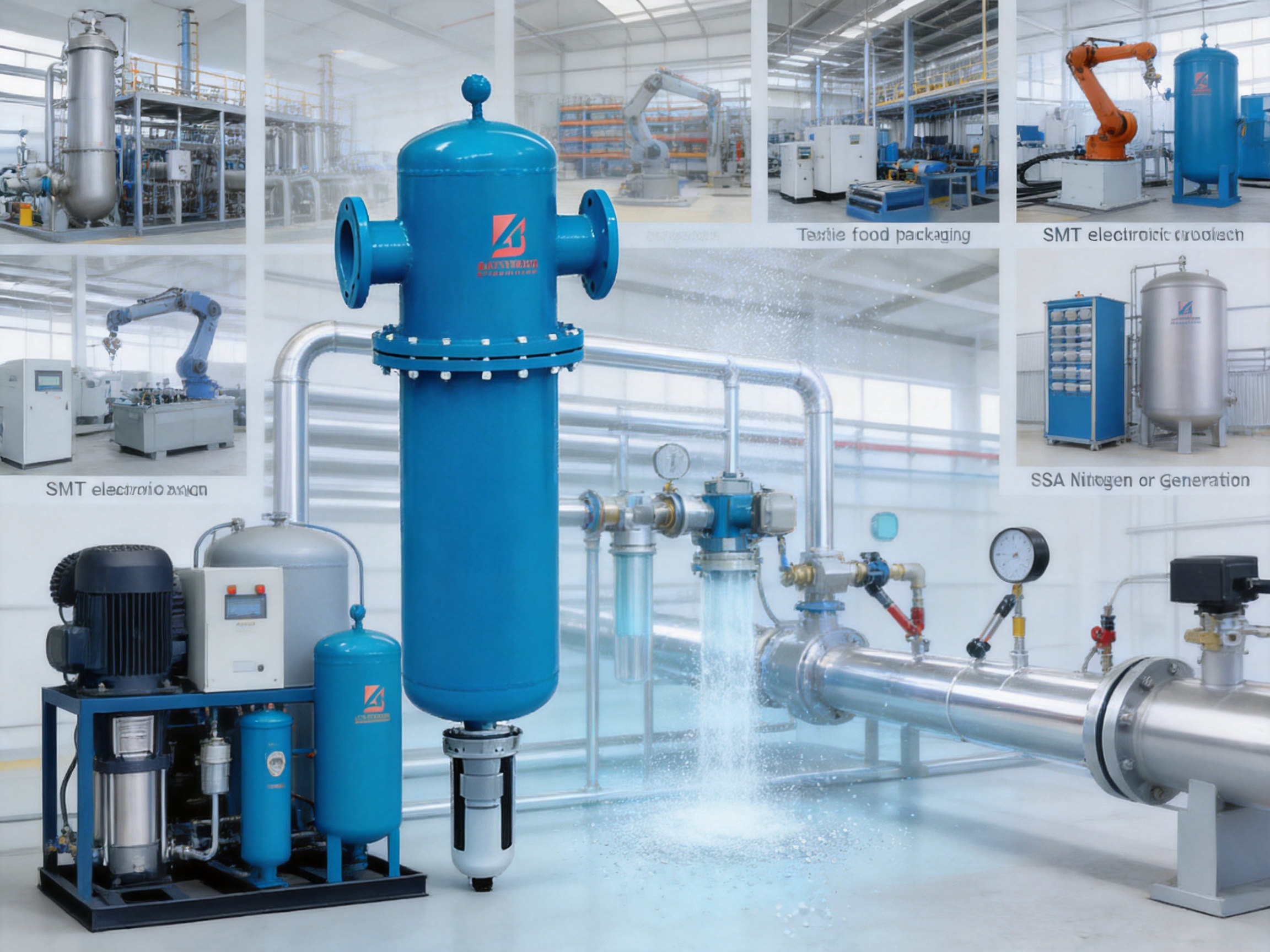
Many systems use more than one grade in sequence. A typical arrangement may include a C stage for initial separation, a T stage for intermediate filtration, and an A stage for final fine filtration. The precise configuration should be determined by the required air quality, contamination profile, flow rate, and the recommendations of the downstream equipment manufacturer.
Why Integrated Supplier Capability Matters
Buying a filter from a supplier that also designs gas-generation and purification systems can provide practical advantages. The supplier is familiar with compressor conditions, gas-treatment requirements, adsorbent protection, membrane pretreatment, control-valve reliability, and plant installation challenges. This broader perspective can improve the selection of filtration grade and capacity.
The manufacturer’s product portfolio covers gas separation and purification equipment used in petrochemical, textile, food-processing, automotive, heat-treatment, and SMT electronics applications. Experience across these industries exposes the engineering team to different air-quality expectations, operating pressures, production schedules, and installation environments.
The company’s integrated activities include research and development, design, production, installation, and after-sales service. This can simplify communication during a project. Instead of coordinating separate parties for equipment design, manufacturing, installation, and support, a customer can discuss related requirements with one technical organization.
The company also reports a sales network covering more than 30 provinces and cities in China, with products exported to international markets. This indicates experience in serving customers across different operating environments and project scales. For overseas users, technical documentation, shipping configuration, local installation conditions, and service arrangements should be confirmed during the quotation stage.
Its stated corporate focus includes technical improvement, strict quality control, energy efficiency, integrity, responsibility, innovation, and customer trust. These principles are relevant to industrial filtration because long-term performance depends on more than initial purchase price. Customers also require consistent manufacturing, responsive service, technical guidance, and dependable replacement support.
Recommended Selection Procedure
The first step is to identify the actual compressed-air flow. Use the normal operating flow and the maximum expected flow rather than relying only on the compressor nameplate. If several compressors operate in parallel, determine whether the filter must handle the combined flow or whether separate filters will be installed for individual lines.
The second step is to confirm pressure and temperature. Verify the normal and maximum operating pressure, pressure fluctuations, compressor discharge temperature, aftercooler performance, and ambient conditions. Select the standard or higher-pressure configuration only after these values have been confirmed.
The third step is to identify the contaminants. Consider whether the system contains oil-lubricated compressor carryover, large quantities of condensate, rust, dust, pipe scale, or process-specific contaminants. The contamination profile will influence the number and order of filtration stages.
The fourth step is to define the required downstream air quality. General pneumatic tools may require a different treatment level from electronic assembly, food packaging, membrane separation, or PSA gas generation. The filter should be selected as part of the complete air-quality plan rather than as an isolated component.
The fifth step is to verify connection size and installation dimensions. Check DN requirements, pipe direction, height, width, access clearance, support requirements, lifting arrangements, and drainage. Larger models may require additional structural planning due to their weight and dimensions.
The final step is to confirm documentation and service requirements. Request the latest technical drawing, operating manual, replacement-element information, inspection records, pressure ratings, material details, and any certificates required by the project. This process reduces installation risk and supports long-term operation.
Q&A
What contaminants does the BAF Precision Filter remove?
The filter is designed to remove oil, liquid water mist, free water, dust, and other solid particles from compressed air. The exact performance depends on the selected C, T, or A filtration grade and the operating conditions.
What are the available filtration grades?
The available grades are C, T, and A. C provides filtration accuracy of no more than 3 micrometers, T provides accuracy of no more than 1 micrometer, and A provides accuracy of no more than 0.01 micrometer according to the supplied specifications.
Can the grades be used together?
Yes. In many compressed-air systems, multiple grades are arranged in sequence. A C stage may provide initial protection, followed by T and A stages where finer filtration is needed. The correct arrangement depends on air quality requirements and the downstream equipment.
What operating pressure can the filter handle?
The standard operating pressure range is 0.4–1.0 MPa. A higher-pressure configuration for 1.0–3.0 MPa is available. The selected pressure range should be confirmed with the supplier before ordering.
What is the maximum inlet air temperature?
The stated maximum inlet air temperature is 50°C. If compressor discharge air exceeds this value, an appropriate cooling or aftercooling arrangement should be considered before the filter.
What is the specified pressure drop?
The specified pressure drop is no more than 0.01 MPa. Actual pressure loss can vary with flow rate, contamination loading, filter grade, pressure, temperature, and maintenance condition.
Which model is suitable for a small compressed-air system?
The smallest listed model is BAF-1, rated at 1.2 Nm³/h. BAF-2 and BAF-3 provide rated capacities of 2.4 Nm³/h and 3.6 Nm³/h respectively. Final selection should be based on actual flow and operating conditions rather than model number alone.
Which is the largest listed model?
BAF-300 is the largest listed model, with a rated gas processing capacity of 330 Nm³/h, a DN300 connection, a stated height of 2175 mm, a width of 1000 mm, and a weight of 610 kg.
Can the filter be used before a PSA nitrogen generator?
It can be considered as part of the feed-air pretreatment arrangement for a PSA nitrogen generator. The required grade and capacity should be selected according to the generator’s inlet-air specifications, compressor conditions, and expected contamination level.
Does the filter replace a dryer?
No. The filter removes liquid water, water mist, and particles, but it should not automatically be considered a substitute for a refrigerated or desiccant dryer. Where low dew point air is required, a suitable dryer should be selected as part of the complete treatment system.
How should the filter be maintained?
Maintenance should include inspection of pressure drop, condensate management, seals, housing condition, drainage components, and filter-element loading. The unit should be isolated and depressurized before service, and replacement parts should match the selected model and grade.
Why is correct sizing important?
Correct sizing helps maintain the intended airflow and pressure drop. An undersized filter may load quickly and restrict the system, while an oversized filter may increase cost and occupy unnecessary space. Flow, pressure, temperature, contamination, and future expansion should all be considered.
Are the listed dimensions final for installation?
The dimensions provided are useful for preliminary planning, but final installation should be based on the latest approved technical drawing. The supplied table contains formatting irregularities that should be confirmed with the manufacturer before construction or procurement.
Conclusion
The BAF Precision Filter provides a flexible solution for removing oil, liquid water mist, free water, dust, and fine particles from compressed air. Its C, T, and A filtration grades allow users to select a treatment level suited to general industrial service, intermediate purification, or fine protection of sensitive equipment. A broad model range, DN25–DN300 connection sizes, capacities from 1.2 to 330 Nm³/h, and standard or higher-pressure options support a variety of installation requirements.
The product’s main advantages include staged filtration, low specified pressure drop, practical operating conditions, broad capacity coverage, and suitability for integration into gas separation and purification systems. Its value is further supported by the manufacturer’s combined capabilities in research and development, engineering design, production, installation, and after-sales service.
For best results, the filter should be selected as part of a complete compressed-air treatment strategy. Users should confirm flow, pressure, temperature, contamination, air-quality requirements, connection size, dimensions, maintenance access, and downstream equipment specifications. When properly sized, installed, and maintained, the BAF Precision Filter can help protect industrial equipment, stabilize production, support gas-generation systems, and reduce the operating impact of compressed-air contamination.
References
1. Product technical information for the BAF Precision Filter, including filtration grades, operating conditions, model capacities, dimensions, and weights.
2. Industrial compressed-air treatment principles covering particulate filtration, liquid-water separation, oil-aerosol control, pressure loss, and maintenance.
3. Engineering practices for compressed-air systems used in pneumatic automation, instrumentation, manufacturing, and process industries.
4. Technical guidance for pretreatment of feed air in PSA nitrogen generators, PSA oxygen generators, membrane gas generators, and industrial purification systems.
5. General principles of energy-efficient compressed-air system design, including pressure-drop management, leak reduction, condensate control, and equipment sizing.
Product: BAF Precision Filter

- Tel: +86-15057127179
+86-13588382771 - Email: huang.yifan0215@gmail.com
- Address: Huanshan Township, Fuyang District, Hangzhou City, Zhejiang Province
Copyright © Zhejiang Baiao Gas Equipment Co., Ltd. All Rights Reserved.
Privacy
Gas Generator Plant Manufacturer, Industrial Purification Equipment Plant
