 en
en русский
 Español
 عربى
عربى
VPSA Oxygen Generators: Efficient On-Site Oxygen Production for Industrial Applications
Content
- 1 Introduction to VPSA Oxygen Generation
- 2 How the VPSA Oxygen Generator Works
- 3 Main Technical Characteristics
- 4 Available Capacity Range and Model Selection
- 5 Advantages Compared with Cryogenic Oxygen Production
- 6 Energy and Operating Cost Considerations
- 7 Manufacturing and Engineering Strengths
- 8 Safety, Reliability, and Maintenance
- 9 Industrial Applications
- 10 Comparison with Other Oxygen Supply Methods
- 11 Project Design and Installation Requirements
- 12 Why Choose a Specialized Gas Equipment Manufacturer?
- 13 Operation and Performance Management
- 14 Economic Value for Industrial Users
- 15 Frequently Asked Questions
- 15.1 What is a VPSA oxygen generator?
- 15.2 What oxygen purity can the system produce?
- 15.3 Can the oxygen purity be adjusted?
- 15.4 How quickly can the system start?
- 15.5 Does the system need cryogenic cooling?
- 15.6 What are the main components?
- 15.7 Is the generator fully automatic?
- 15.8 Can the oxygen be supplied at higher pressure?
- 15.9 What industries use VPSA oxygen generators?
- 15.10 How is VPSA different from PSA oxygen generation?
- 15.11 How much maintenance does the system require?
- 15.12 Can the equipment be customized?
- 15.13 Is VPSA oxygen suitable for medical use?
- 16 Conclusion
- 17 References
- 18 Product: VPSA Vacuum Pressure Swing Adsorption Oxygen Generator
Introduction to VPSA Oxygen Generation
Oxygen is an essential process gas for modern industry. It supports combustion, oxidation, wastewater treatment, fermentation, aquaculture, medical services, metal processing, and many other operations. For facilities that require a continuous or adjustable oxygen supply, relying entirely on delivered cylinders or liquid oxygen can create logistical, financial, and operational challenges. Transportation, storage, vaporization, safety management, and fluctuating gas prices can all affect production continuity.
A Vacuum Pressure Swing Adsorption, or VPSA, oxygen generator provides an alternative approach by producing oxygen directly at the point of use. The system separates oxygen from atmospheric air through adsorption and vacuum regeneration. It generally operates at or near ambient temperature and does not require the cryogenic conditions associated with large air separation plants. This makes VPSA technology especially suitable for users that need medium- to large-capacity oxygen with adjustable purity, relatively simple operation, and dependable automatic control.
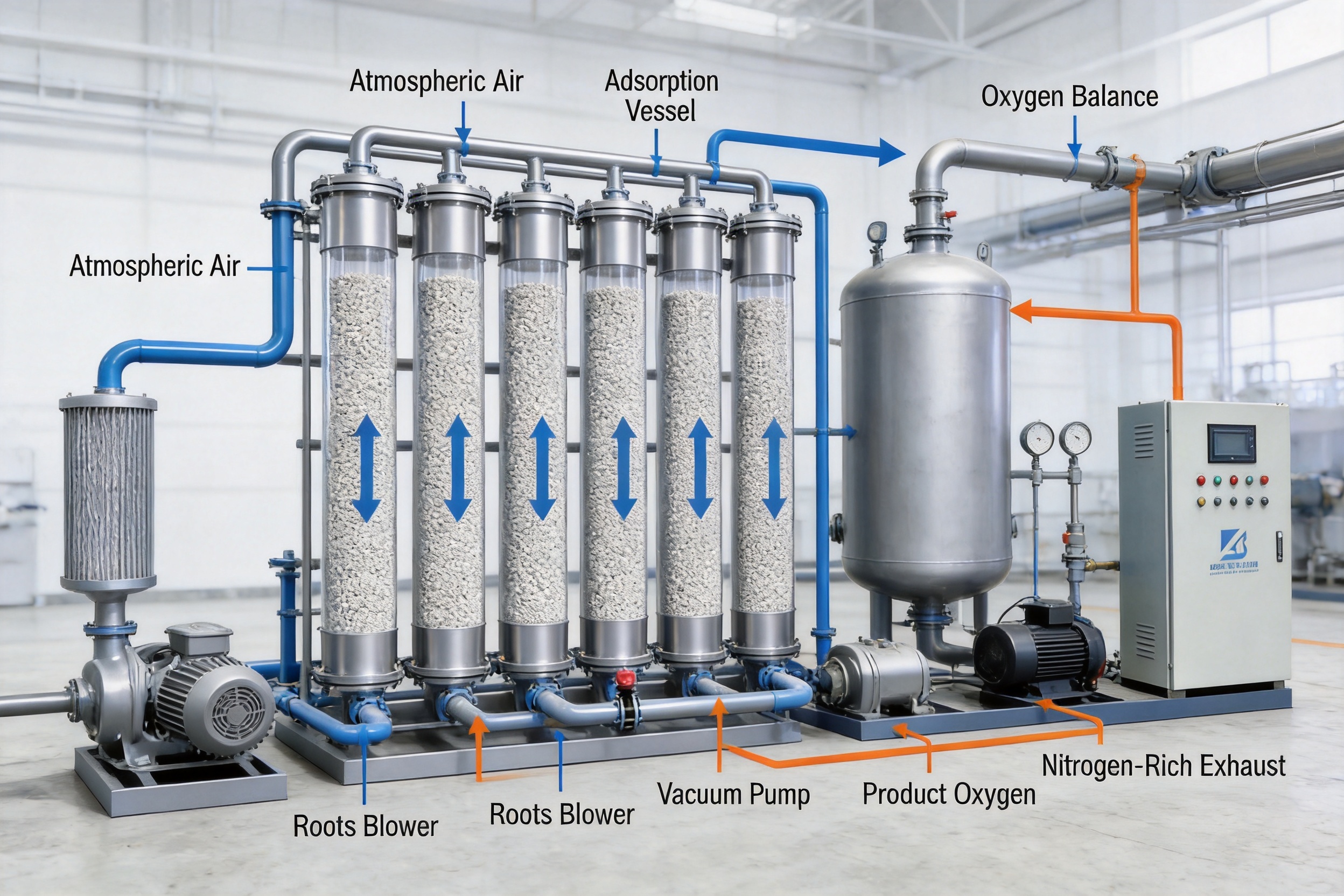
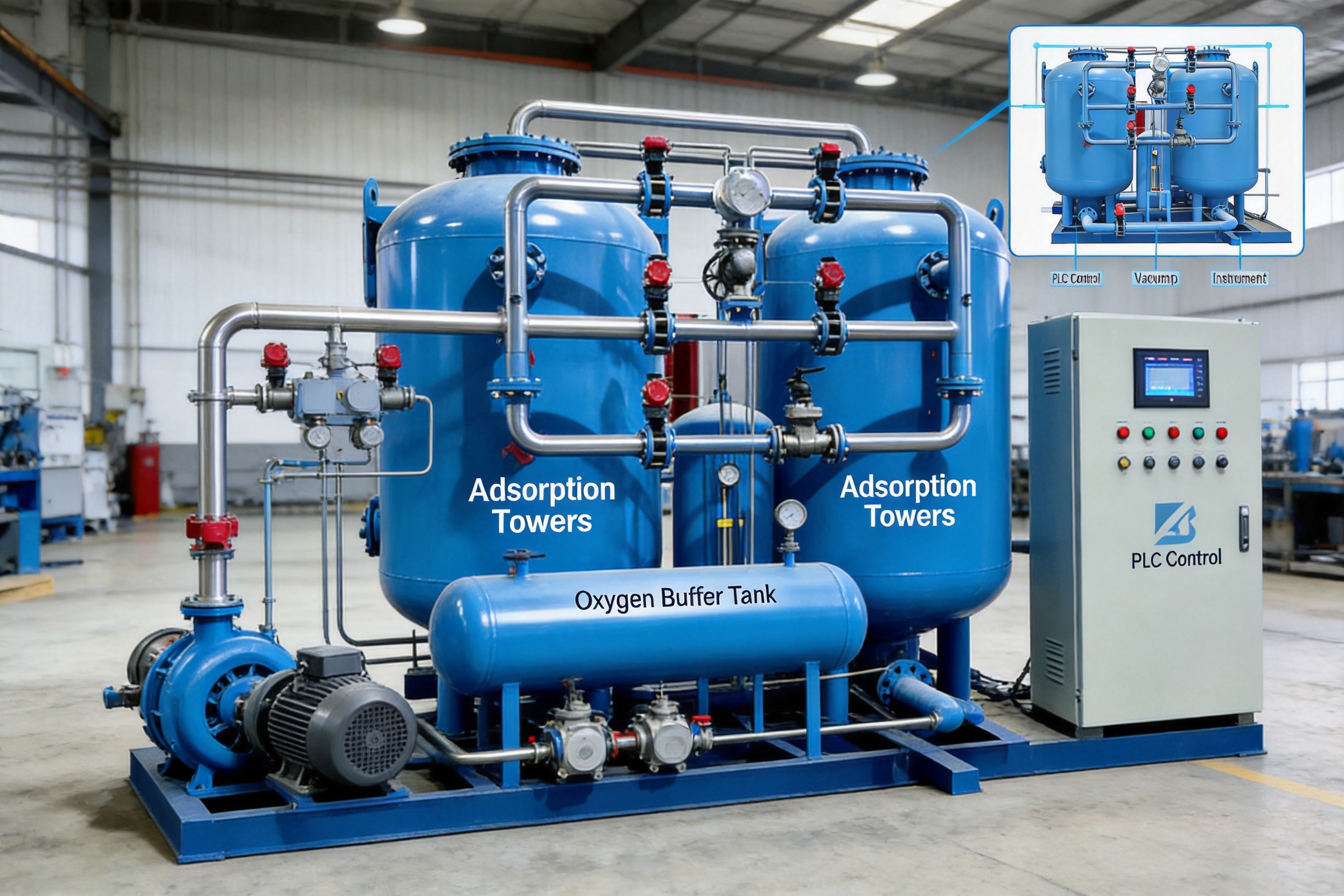
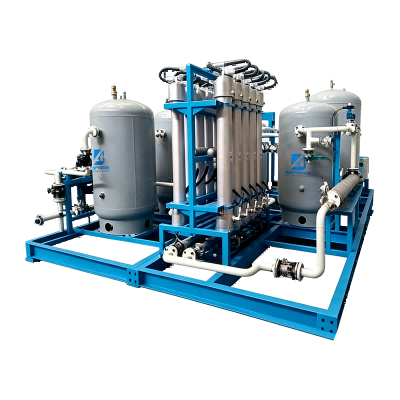
The VPSA vacuum pressure swing adsorption oxygen generator described in this article is designed for oxygen production capacities from approximately 100 to 5,000 Nm³/h, with oxygen purity typically adjustable from 70% to 94%, depending on operating conditions and process requirements. The system integrates a Roots blower, vacuum pump, switching valve system, adsorption vessels, oxygen balance tank, instrumentation, and programmable logic control. Together, these components create a coordinated cycle for pressurization, adsorption, equalization, vacuum desorption, and product delivery.
As an industrial gas equipment manufacturer, Zhejiang Baiao Gas Equipment Co., Ltd. combines equipment design, research and development, fabrication, installation, commissioning, and after-sales support. Its experience in gas separation and purification equipment supports the development of customized oxygen generation solutions for different industries, plant layouts, oxygen demands, and operating environments.
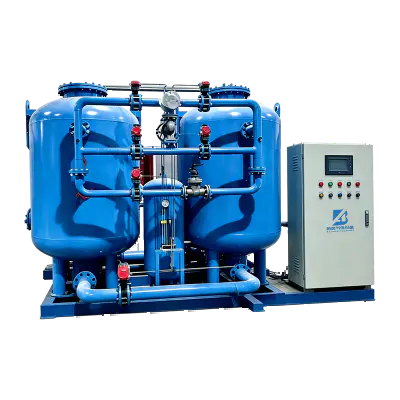
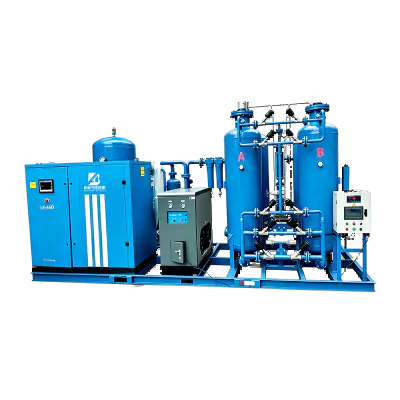
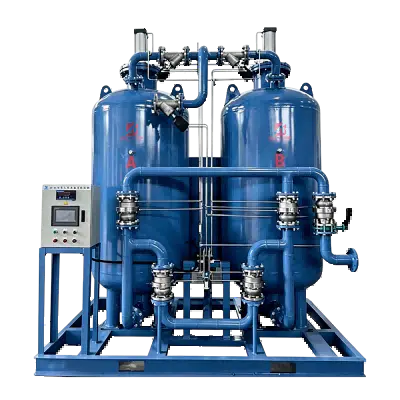
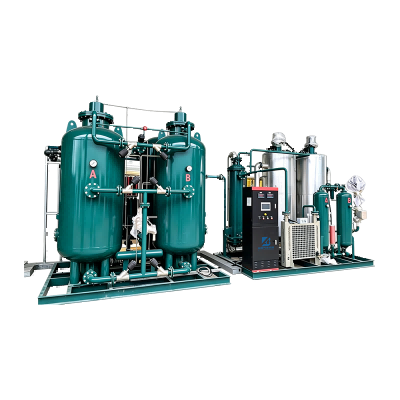
VPSA Vacuum Pressure Swing Adsorption Oxygen Generator
How the VPSA Oxygen Generator Works
Atmospheric Air as the Feedstock
The VPSA process uses atmospheric air as its raw material. Air contains approximately 21% oxygen, approximately 78% nitrogen, and small quantities of argon, carbon dioxide, water vapor, and other gases. The oxygen generator does not need a chemical feedstock or a continuously delivered oxygen source. Instead, it uses a selective adsorbent to retain certain components of air while allowing oxygen-rich gas to pass through as the product.
Before entering the adsorbers, the air is moved by a Roots blower. Feed-air quality is important because excessive moisture, oil contamination, dust, and other impurities can reduce adsorbent performance and shorten the service life of valves and mechanical equipment. For this reason, the final system design normally includes suitable filtration, drainage, and air pretreatment arrangements based on the local environment and the operating conditions of the customer’s facility.
Selective Adsorption
The adsorption vessels are filled with oxygen molecular sieve material. During the pressurization and adsorption stage, the molecular sieve preferentially adsorbs nitrogen, moisture, carbon dioxide, and small quantities of other gases. Oxygen passes through the adsorbent bed in a concentrated form and is collected as product oxygen.
The adsorbent does not permanently consume the unwanted gases. Its ability to retain them is reversible. Once the adsorbent approaches its working loading level, the control system changes the operating state of the vessel. The vessel is depressurized and evacuated by a vacuum pump. The reduction in pressure releases the adsorbed nitrogen, moisture, carbon dioxide, and residual gases so that they can be discharged. The adsorbent is then regenerated and prepared for another adsorption cycle.
Alternating Adsorption and Regeneration
A VPSA generator normally uses two or more adsorption vessels operating in a coordinated sequence. While one vessel produces oxygen, another vessel may be undergoing vacuum regeneration. Additional steps, including pressure equalization, purge, repressurization, and product gas balancing, may be used to improve recovery, stabilize purity, and reduce energy consumption.
The switching valve system directs air, oxygen-rich product gas, and regeneration gas through the correct flow paths. The PLC controls the timing of each step and monitors key process variables. This cyclic operation allows the system to deliver oxygen continuously even though each individual adsorber periodically leaves the production stage for regeneration.
Product Oxygen Balancing and Delivery
An oxygen balance tank is used to smooth the cyclic flow from the adsorbers. It helps stabilize product pressure and oxygen concentration while accommodating the changes that occur as vessels switch between adsorption and regeneration. Depending on the application, the oxygen product can be delivered directly to a process line, sent to an oxygen booster, or stored temporarily in a larger buffer tank.
The standard outlet pressure is generally low, with a typical value of up to approximately 20 kPa for the described configuration. If a customer requires a higher delivery pressure, a downstream oxygen booster or compressor can be incorporated into the complete system. The proper pressure arrangement depends on the distance to the point of use, process pressure, oxygen flow, pipeline design, and required buffer capacity.
Main Technical Characteristics
The equipment is designed for users that require a flexible oxygen source rather than a fixed-purity cryogenic product. VPSA oxygen production can be adjusted according to the balance between purity, flow rate, oxygen recovery, and energy consumption. In many industrial applications, oxygen purity in the range of 90% to 93% is sufficient and provides a practical balance between process performance and operating cost.
| Technical item | Typical specification | Operational significance |
| Oxygen production capacity | 100 to 5,000 Nm³/h | Suitable for small, medium, and larger industrial oxygen demands |
| Oxygen purity | 70% to 94% | Can be selected or adjusted according to process requirements |
| Typical outlet pressure | Up to approximately 20 kPa | Higher pressure can be achieved with a downstream booster |
| Annual operating rate | At least approximately 95% | Supports continuous industrial operation when properly maintained |
| Instrument air pressure | Approximately 0.5 to 0.6 MPa | Provides the required control-air supply for pneumatic valves where applicable |
| Instrument air dew point | Approximately -20°C to -40°C | Helps protect control components and valve actuators from moisture |
| Cooling water pressure | At least approximately 0.2 MPa | Supports the cooling requirements of applicable auxiliary equipment |
| Cooling water temperature | Not more than approximately 32°C | Helps maintain reliable operation in systems using circulating cooling water |
Actual performance depends on feed-air temperature, atmospheric pressure, air humidity, adsorbent condition, oxygen purity, operating schedule, equipment configuration, and installation quality. Final technical data should therefore be confirmed during engineering design rather than assumed from a general model range.
Available Capacity Range and Model Selection
The VPSA product range includes compact and larger-capacity models. Representative models include VBAO-200 through VBAO-2500, while complete project engineering can be used to configure higher total capacities through multiple trains or customized arrangements. Model selection should begin with the actual oxygen consumption profile rather than only the maximum instantaneous demand.
| Model | Nominal oxygen production, Nm³/h | Typical oxygen purity range or design point | Approximate installed power, kW | Approximate footprint, m² |
| VBAO-200 | 200 | 90% to 93% | 118 | 15 × 15 |
| VBAO-250 | 250 | Project-specific design | 150 | 15 × 15 |
| VBAO-300 | 300 | Project-specific design | 177 | 15 × 15 |
| VBAO-350 | 350 | Project-specific design | 206 | 16 × 15 |
| VBAO-400 | 400 | Project-specific design | 220 | 16 × 15 |
| VBAO-450 | 450 | Project-specific design | 235 | 16 × 15 |
| VBAO-500 | 500 | Project-specific design | 260 | 18 × 15 |
| VBAO-600 | 600 | Project-specific design | 275 | 18 × 15 |
| VBAO-800 | 800 | Project-specific design | 390 | 18 × 15 |
| VBAO-1000 | 1,000 | Project-specific design | 487 | 21 × 15 |
| VBAO-1300 | 1,300 | Project-specific design | 650 | 21 × 18 |
| VBAO-1500 | 1,500 | Project-specific design | 780 | 21 × 18 |
| VBAO-2000 | 2,000 | Project-specific design | 960 | 24 × 18 |
| VBAO-2500 | 2,500 | Project-specific design | 1,215 | 24 × 20 |
The model information is intended for preliminary planning. The final equipment arrangement may change after reviewing the customer’s required purity, delivery pressure, local climate, electrical supply, cooling-water conditions, available floor area, operating profile, and applicable standards.
Capacity Planning Considerations
Oxygen demand is rarely constant throughout the day. A steel furnace, wastewater aeration system, aquaculture installation, and medical oxygen service each have different flow patterns. A system designed only around average demand may be unable to meet peak flow, while a system designed around an unusually high peak may operate inefficiently during most of the year.
Engineering assessment should consider average flow, peak flow, minimum stable flow, expected future expansion, required backup capacity, oxygen purity tolerance, and the consequences of temporary oxygen interruption. A balance tank, multiple parallel trains, or a supplemental liquid oxygen connection may be considered where process continuity is especially important.
Advantages Compared with Cryogenic Oxygen Production
Cryogenic air separation remains an important technology for very large facilities and applications requiring high-purity oxygen, nitrogen, and argon at the same time. However, it involves air compression, purification, cooling, expansion, liquefaction, and distillation at temperatures below approximately -180°C. These requirements create a complex plant with extensive instrumentation, specialized machinery, and demanding operating procedures.
VPSA oxygen generation uses adsorption and vacuum desorption at near-ambient temperature. It does not liquefy the air and does not require a cryogenic distillation column. This fundamental difference produces several practical advantages for users whose oxygen purity requirements are within the VPSA range.
Simpler Process Arrangement
A VPSA system generally consists of a blower, adsorption vessels, vacuum pump, switching valves, oxygen balance tank, control system, and supporting pretreatment equipment. The reduced process complexity can simplify installation, commissioning, operation, and maintenance. It also makes the equipment suitable for sites where the construction of a large cryogenic plant would be excessive in relation to the required oxygen volume.
Shorter Start-Up and Shutdown
A cryogenic plant needs a cooling and stabilization period before it can produce normal product gas. By contrast, a VPSA system works at normal or near-normal temperature and can generally start and stop much more quickly. The described product information indicates a start-up time of less than approximately five minutes under suitable conditions. Short start-up times are useful for batch production, intermittent oxygen demand, standby operation, and facilities that need to respond rapidly to changing process schedules.
Adjustable Oxygen Purity
VPSA equipment can be configured for different oxygen purity and production requirements. Many industrial processes do not require oxygen purity above 99.5%. In such applications, producing oxygen at an appropriate lower purity can reduce unnecessary energy use and improve economic performance. The ability to adjust the operating target is particularly valuable in metallurgical furnaces, wastewater treatment, aquaculture, and oxidation processes where oxygen enrichment is more important than ultra-high purity.
Lower Infrastructure Requirements
Cryogenic facilities typically require a large dedicated plant, complex foundations, specialized piping, extensive insulation, and experienced installation personnel. VPSA systems have a more compact external structure and can generally be installed using conventional industrial construction methods. The shorter installation cycle and reduced civil-engineering requirements can help lower project costs and shorten the time before production begins.
Routine Maintenance Requirements
VPSA maintenance focuses on equipment such as the blower, vacuum pump, filters, switching valves, instruments, and control components. These items are familiar to many industrial maintenance teams. While specialized knowledge is still required for reliable operation, the maintenance burden is generally less demanding than the maintenance of cryogenic compressors, expanders, heat exchangers, distillation columns, and low-temperature systems.
Reduced Dependence on Delivered Oxygen
On-site oxygen generation reduces dependence on oxygen cylinder deliveries or liquid oxygen tankers. This can be especially valuable in remote locations, areas with difficult transportation conditions, facilities with unstable supply chains, or industrial plants that consume oxygen continuously. Local production can also reduce the space required for cylinder handling and minimize the scheduling burden associated with frequent deliveries.
Energy and Operating Cost Considerations
Energy performance is one of the most important factors in oxygen generator selection. The VPSA process requires electrical energy to drive the feed blower, vacuum pump, control system, and any auxiliary cooling or compression equipment. The actual unit energy consumption varies with oxygen purity, oxygen recovery, inlet conditions, equipment scale, and operating strategy.
The supplied technical information identifies a representative VPSA energy consumption level of approximately 0.35 kWh per cubic meter of oxygen or lower for certain operating conditions. The comparison material presents cryogenic oxygen production at approximately 1.25 kWh per cubic meter in the stated comparison. These values are indicative rather than universal guarantees. A project-specific energy calculation should include all major electrical loads and should be based on the final oxygen purity and pressure requirements.
Lower energy consumption can provide substantial value over the life of the equipment. The economic benefit becomes more significant when the oxygen generator operates for many hours per year, when delivered oxygen prices are high, or when transportation and storage costs are considerable. The stated annual operating rate of at least approximately 95% supports continuous industrial use when the equipment receives suitable maintenance and the feed-air and utility conditions remain within the design range.
Purity and Energy Optimization
Higher oxygen purity generally requires more selective separation and may influence air flow, cycle timing, product recovery, and power consumption. A user should therefore define the minimum acceptable purity instead of automatically requesting the highest possible value. If a combustion process performs effectively with 90% oxygen, designing for 94% or higher may increase cost without delivering a proportional process benefit.
Baiao’s engineering approach can be used to match equipment design with the customer’s actual gas requirement. The target should be a stable and economically appropriate oxygen supply, not simply the maximum purity shown in a catalog range.
Manufacturing and Engineering Strengths
The performance of a VPSA oxygen generator depends not only on the adsorption principle but also on the quality of engineering, fabrication, assembly, testing, and control integration. Poorly matched components, inadequate valve timing, weak vessel fabrication, insufficient air pretreatment, or improper installation can reduce oxygen recovery and cause unstable operation.
Integrated Research and Development
Zhejiang Baiao Gas Equipment Co., Ltd. integrates research and development, equipment design, production, installation, commissioning, and after-sales service. This integrated structure helps connect practical operating feedback with engineering improvements. Instead of treating the blower, adsorber, valve system, PLC, and gas storage equipment as unrelated products, the company can evaluate them as one coordinated process package.
The company specializes in gas separation and purification equipment, including PSA nitrogen generators, PSA oxygen generators, membrane nitrogen and oxygen generators, nitrogen purification units, and ammonia decomposition hydrogen purification equipment. Experience across these technologies supports a broader understanding of adsorption kinetics, gas purity control, regeneration requirements, utility management, and industrial gas distribution.
Standardized Production Facilities
The company operates a standardized workshop of approximately 3,000 square meters, together with office and warehouse areas. A dedicated production environment supports the organized fabrication of adsorption vessels, piping modules, valve assemblies, skids, control cabinets, and auxiliary equipment. Proper material handling and component identification are important because adsorbent, seals, valves, instruments, and piping must be protected from contamination throughout the manufacturing process.
Standardized production also makes it easier to repeat successful designs, control assembly procedures, and document quality checks. At the same time, a modular manufacturing approach allows the equipment to be adapted to different capacities, layouts, voltage systems, and customer requirements.
Process Package Engineering
A reliable oxygen generator is more than a group of individual machines. The blower must deliver the required air volume at the correct pressure. The adsorbent vessels must be sized for the cycle and product capacity. The vacuum pump must achieve the required regeneration pressure. The switching valves must operate quickly and consistently. The oxygen balance tank must smooth the product flow. The PLC must coordinate the sequence and protect the equipment under abnormal conditions.
Baiao’s engineering capability is focused on the relationship between these components. The company can assess project conditions and develop equipment around the customer’s required flow, purity, pressure, installation area, and operating pattern. This process-package approach can reduce the risk of obtaining components that perform well individually but are poorly matched as a complete oxygen plant.
Control and Automation Integration
The PLC and switching valve system are central to VPSA operation. Each adsorption vessel must enter and leave the production stage at the correct time. Pressure equalization, vacuum regeneration, purge, and repressurization must be coordinated to prevent excessive pressure fluctuation or product contamination.
Automatic control can include operating-sequence management, pressure monitoring, oxygen purity monitoring, alarm functions, equipment interlocking, pump and blower protection, valve-position feedback, and emergency shutdown logic. The specific instrumentation package depends on the project requirements, applicable standards, and customer preferences.
Automation reduces the amount of routine manual intervention required from operators. It also improves repeatability because the cycle sequence is controlled by programmed logic rather than by individual operating habits. Operators can review system status, identify alarms, monitor trends, and perform planned maintenance more effectively through the control interface.
Quality Control and Commissioning
Quality control should begin with the review of design documents and continue through material procurement, fabrication, welding, pressure testing where applicable, equipment assembly, electrical wiring, instrument calibration, and factory inspection. The exact inspection plan should reflect the vessel design, local regulations, customer specifications, and intended service.
Commissioning is equally important. During installation, the system must be checked for correct piping connections, valve orientation, electrical phase sequence, instrument-air quality, drainage, ventilation, grounding, and control communication. The adsorbent must be loaded correctly and protected from moisture and contamination. Initial operation should confirm pressure profiles, switching sequences, vacuum performance, oxygen purity, oxygen flow, alarms, and shutdown functions.
The company’s integrated installation and after-sales service capability can help customers move from equipment delivery to stable production. Technical support may include installation guidance, commissioning assistance, operator training, troubleshooting, spare-parts recommendations, and maintenance planning.
Safety, Reliability, and Maintenance
VPSA oxygen generators operate at much lower temperatures than cryogenic plants and generally at relatively low oxygen product pressure. This simplifies many aspects of operation, but oxygen itself supports combustion and must always be handled responsibly. Materials, lubricants, seals, piping, valves, and instruments in oxygen service must be selected and maintained in accordance with applicable oxygen-service practices.
Oxygen Safety
Oxygen-enriched environments can cause materials to ignite more easily and burn more intensely. Smoking, open flames, sparks, oil contamination, and incompatible materials must be controlled around oxygen equipment and pipelines. The oxygen outlet area should be properly ventilated, and the equipment room should be managed to prevent accidental accumulation of oxygen-rich gas.
Operators should follow documented procedures for start-up, shutdown, isolation, depressurization, maintenance, and emergency response. The safety design should include appropriate relief protection, alarms, access control, ventilation, grounding, and electrical protection. Local industrial safety codes and pressure-equipment regulations must be followed during engineering and installation.
Blower and Vacuum Pump Maintenance
The Roots blower is responsible for moving feed air into the adsorption system. Maintenance normally includes checking lubrication where applicable, monitoring vibration and temperature, inspecting belts or couplings, cleaning filters, and confirming that inlet restrictions remain within acceptable limits. Abnormal noise, increasing vibration, overheating, or reduced air delivery should be investigated promptly.
The vacuum pump is essential for adsorbent regeneration. Its performance affects the final regeneration pressure and therefore the capacity and purity of the oxygen generator. Maintenance should include checking oil condition or sealing arrangements, inspecting filters, monitoring vacuum level, reviewing vibration, and following the manufacturer’s service intervals.
Switching Valve Reliability
Switching valves operate frequently during the VPSA cycle. Their response time, sealing performance, actuator condition, and feedback signals directly affect process stability. Valves should be inspected for leakage, unusual movement, actuator wear, and incorrect position feedback. A preventive maintenance schedule is preferable to waiting for a valve failure to interrupt production.
Adsorbent Protection
Molecular sieve adsorbent is a critical process material. Liquid water, oil aerosols, dust, and other contaminants can reduce its adsorption performance. Filters and drains must therefore be maintained, and any upstream air-treatment equipment must be correctly sized. If the plant operates in a humid environment or experiences seasonal changes, the air pretreatment system should be reviewed as part of regular performance management.
Adsorbent replacement is not normally a frequent task when the equipment is correctly operated. However, its service life depends on the quality of feed air, regeneration conditions, cycle control, mechanical vibration, and protection from contamination. When oxygen capacity or purity declines, the cause should be diagnosed before replacing the adsorbent. The problem may be related to valve leakage, vacuum deterioration, air pretreatment, instrumentation, or cycle timing.
Industrial Applications
Metallurgical Industry
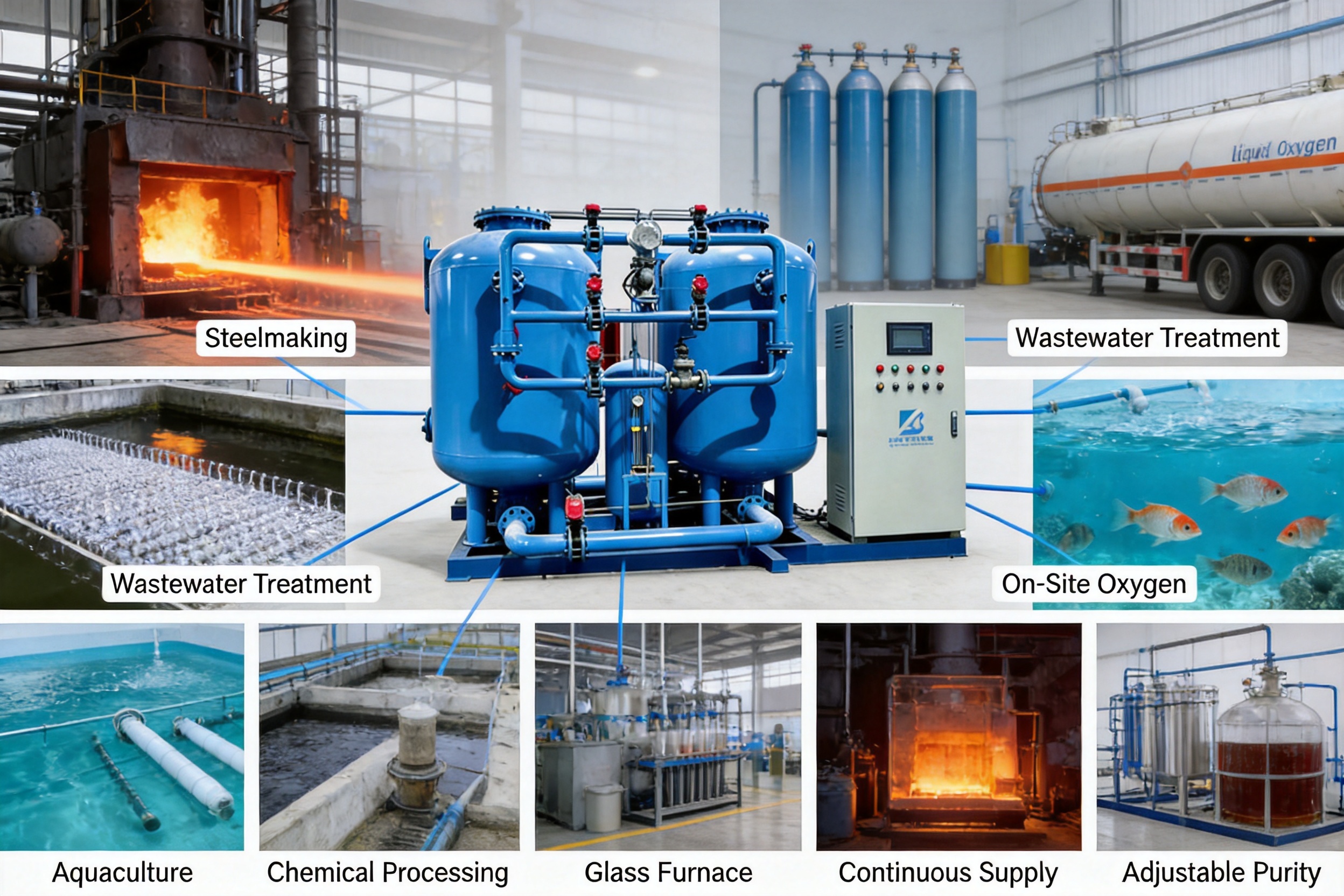
Oxygen enrichment can improve combustion efficiency, increase furnace productivity, reduce fuel consumption, and support process temperature control. VPSA oxygen generators can supply oxygen for electric arc furnace operations, blast furnace oxygen enrichment, and combustion assistance in vertical shaft furnaces. Oxygen flow and purity can be adjusted to suit the furnace design and production schedule.
In steelmaking, the oxygen supply must be stable because interruptions can affect furnace timing and product quality. A properly sized VPSA plant can provide a dedicated on-site source while reducing dependence on delivered oxygen. The final system should be coordinated with furnace operating cycles, emergency backup arrangements, and the required delivery pressure.
Non-Ferrous Metallurgy
Lead, copper, zinc, and aluminum processing can use oxygen enrichment in various furnaces and smelting operations. Oxygen may improve combustion intensity and help optimize the use of fuel and process air. Because each furnace has different operating characteristics, the oxygen generator should be designed after reviewing furnace capacity, oxygen injection method, gas mixing, pressure requirements, and expected purity.
Environmental Protection
Oxygen is widely used in drinking-water treatment, wastewater treatment, waste biochemical treatment, and exhaust-gas treatment. In biological wastewater treatment, oxygen transfer supports microorganisms that break down organic pollutants. An on-site VPSA system can provide a continuous oxygen supply without the storage and delivery requirements associated with liquid oxygen.
Oxygen enrichment may also support advanced oxidation processes, ozone generation, and selected gas-treatment applications. When used with ozone equipment, the required purity, dryness, pressure, and feed-gas quality must be confirmed carefully because ozone generators often have specific operating requirements.
Chemical Industry
Chemical plants use oxygen in oxidation reactions, gasification, ozone production, combustion, and other process operations. The correct oxygen purity depends on reaction chemistry, flammability limits, equipment design, and product specifications. VPSA technology is attractive where the plant needs a single oxygen product at moderate purity and a stable flow rather than several cryogenic products.
For chemical applications, the complete project must include a detailed hazard review. Oxygen piping, control valves, shutdown systems, process interlocks, and pressure protection should be designed in coordination with the chemical plant’s management-of-change and process-safety procedures.
Medical and Healthcare-Related Uses
Oxygen generators can support oxygen bars, oxygen therapy facilities, sports health-care services, and other applications where oxygen is used for human treatment or wellness. Medical oxygen applications are subject to strict purity, cleanliness, validation, documentation, and regulatory requirements. A general industrial VPSA unit should not be assumed to meet medical-gas requirements without a dedicated review of applicable medical standards and certification procedures.
Where medical use is intended, the system may require additional purification, monitoring, redundancy, sterilization provisions, storage, alarm systems, and qualified approval. The supplier and end user should define the intended application before equipment selection.
Aquaculture
Oxygen is essential for marine and freshwater aquaculture. Stable dissolved oxygen levels support fish, shrimp, and other aquatic organisms, especially in intensive farming systems with high stocking densities. VPSA oxygen can be introduced through diffusers, oxygen cones, injectors, or other transfer equipment.
Aquaculture demand may vary with water temperature, biomass, feeding schedules, stocking density, and dissolved oxygen targets. The oxygen generator should therefore be connected to suitable dissolved oxygen monitoring and control equipment. A buffer tank or backup oxygen source may be recommended where livestock protection is critical.
Other Industrial Uses
Additional applications include fermentation, glass-furnace combustion, thermal cutting, waste incineration, air-conditioning-related oxidation systems, and specialized process operations. In fermentation, oxygen transfer can influence microorganism growth and productivity. In glass production and waste incineration, oxygen enrichment can improve combustion control and reduce the volume of nitrogen entering the furnace.
Comparison with Other Oxygen Supply Methods
Compared with Oxygen Cylinders
Cylinders are convenient for small and intermittent consumption, but they require regular delivery, handling, storage space, and inventory management. The number of cylinders can become substantial as demand increases. VPSA production avoids many of these logistical issues by generating oxygen continuously at the user’s site.
For a small laboratory or occasional maintenance activity, cylinders may remain the most practical choice. For a factory, treatment plant, or aquaculture facility with regular oxygen consumption, on-site generation can offer a more stable and scalable solution.
Compared with Liquid Oxygen
Liquid oxygen provides high-purity oxygen and is suitable for many demanding applications. However, it requires a storage tank, vaporizer, pressure-control equipment, tanker deliveries, safety zones, and procedures for cryogenic liquid handling. Supply interruptions can occur if deliveries are delayed or if storage capacity is insufficient.
VPSA equipment can reduce or eliminate routine liquid oxygen deliveries for applications that accept its oxygen purity range. It is particularly advantageous when the user values local production, adjustable purity, rapid start-up, and lower-temperature operation.
Compared with Cryogenic Air Separation
Cryogenic air separation is preferable when the customer requires very high oxygen purity, large quantities of liquid products, or simultaneous production of oxygen, nitrogen, and argon. VPSA is generally better suited to applications that require a single oxygen product in the approximate purity range of 70% to 94% and do not need cryogenic liquid products.
The choice should be based on the complete life-cycle cost and process requirement, including capital investment, energy consumption, labor, maintenance, reliability, product purity, pressure, storage, and future expansion. No single oxygen technology is ideal for every project.
Project Design and Installation Requirements
Successful installation begins with accurate site information. The supplier should receive the required oxygen flow, purity, pressure, operating hours, ambient temperature, altitude, electrical voltage, cooling-water conditions, instrument-air quality, available floor area, and local standards. The process connection points and oxygen pipeline route should also be reviewed.
Utility Requirements
The equipment requires electrical power for the blower, vacuum pump, control system, and auxiliary devices. The available voltage may include medium-voltage and low-voltage arrangements, depending on the model and project design. Electrical protection, grounding, motor starting, ventilation, and harmonic considerations should be assessed by qualified engineers.
Where cooling water is required, the supplied information indicates a cooling-water pressure of at least approximately 0.2 MPa and a temperature not exceeding approximately 32°C. The water should be industrial circulating water of suitable quality. Actual consumption depends on the final configuration, with representative data indicating approximately 6 to 16 m³/h for selected models. Water treatment and filtration may be necessary to prevent scaling or corrosion.
Instrument Air
Pneumatic control valves require clean and dry instrument air. The stated instrument-air pressure range is approximately 0.5 to 0.6 MPa, with a dew point of approximately -20°C to -40°C. If the instrument air is wet or contaminated, valve actuators and control components may become unreliable. The air source should therefore be checked before commissioning.
Floor Space and Layout
Representative footprints range from approximately 15 × 15 meters for smaller models to approximately 24 × 20 meters for larger listed models. These values are preliminary and may change after final design. Adequate space must be provided for equipment access, maintenance removal routes, ventilation, electrical cabinets, pipelines, oxygen product distribution, and safe operator movement.
The equipment area should be level, structurally adequate, well ventilated, and protected from flooding. Blower and vacuum-pump noise and vibration should be considered during civil and architectural planning. Separation distances from ignition sources, combustible storage, and unrelated process equipment should be established according to applicable safety requirements.
Why Choose a Specialized Gas Equipment Manufacturer?
Gas separation equipment requires more than general mechanical fabrication. The supplier must understand adsorption processes, cycle control, oxygen service, pressure and vacuum equipment, automation, process piping, and commissioning. A specialized manufacturer can evaluate these factors together and provide a system that is better aligned with the customer’s application.
Zhejiang Baiao Gas Equipment Co., Ltd. is based in Fuyang District, Hangzhou, Zhejiang Province, China. The company combines engineering and production capabilities with installation and after-sales service. Its product portfolio includes oxygen and nitrogen generators, membrane separation systems, nitrogen purification equipment, and hydrogen purification units. This broader product experience helps the company serve customers that need more than a single standard machine.
The company reports a professional team focused on product development, manufacturing, and customer service. Its equipment is used in petrochemical, textile, food-processing, automotive-manufacturing, heat-treatment, and SMT electronics industries. Its sales network covers numerous regions in China, and its products are also supplied to international markets.
For international customers, project communication is especially important. Differences in electrical standards, pressure-vessel regulations, documentation requirements, installation practices, and gas-quality specifications should be addressed at the quotation and engineering stages. A manufacturer capable of supporting customization can help reduce delays caused by incomplete technical information.
Customization Capabilities
VPSA oxygen systems can be customized in several ways. The supplier may adapt the number of adsorption vessels, blower and vacuum-pump arrangement, oxygen balance-tank volume, control philosophy, skid layout, oxygen booster configuration, cooling method, electrical system, and communication interface.
Customization may also include containerized or modular installation, special climate adaptation, remote monitoring, redundancy, automatic oxygen purity adjustment, and integration with an existing plant control system. The appropriate options depend on the application and should be determined through a technical review rather than selected solely for marketing purposes.
Operation and Performance Management
After commissioning, operators should monitor oxygen purity, flow, pressure, blower current, vacuum level, valve status, equipment temperature, vibration, instrument-air pressure, and cooling-water conditions where applicable. Trending this information can reveal gradual performance changes before they become production interruptions.
A stable oxygen purity value is not the only measure of performance. The user should also review oxygen recovery, specific power consumption, pressure stability, start-up behavior, valve cycle performance, and the frequency of alarms. A system may continue to produce oxygen while consuming excessive power because of a developing vacuum-pump problem or air leakage.
Preventive Maintenance Program
A preventive maintenance program should include daily operator inspections, weekly or monthly functional checks, and periodic major maintenance. The schedule should cover filters, drains, valves, actuators, lubrication, electrical connections, sensors, safety devices, vacuum performance, and oxygen analyzers.
Critical spare parts may include valve seals, actuator components, filters, analyzer sensors, instrument-air components, pump consumables, and control-system backup equipment. Maintaining appropriate spares can shorten repair time and improve plant availability.
Operator Training
Although PLC control simplifies routine operation, operators still need training. Training should cover the adsorption cycle, equipment limits, alarm interpretation, oxygen safety, emergency shutdown, isolation procedures, basic troubleshooting, and maintenance coordination. Operators should understand that changing the oxygen purity set point may affect product flow and energy consumption.
Training is also important for preventing contamination. Oil, grease, unsuitable cleaning materials, and incorrectly selected replacement components must not enter oxygen-service equipment. Every maintenance activity should follow documented procedures and authorization requirements.
Economic Value for Industrial Users
The economic value of a VPSA oxygen generator is determined by more than the purchase price. A complete evaluation should compare capital cost, installation, utilities, maintenance, oxygen storage, delivered-gas cost, transportation, labor, downtime risk, and expected service life.
On-site oxygen generation can reduce recurring delivery charges and the need for large inventories of cylinders or liquid oxygen. It may also reduce production interruptions caused by delayed deliveries. For facilities operating continuously, the value of reliable oxygen availability can be greater than the direct gas-price difference.
The equipment’s relatively simple process and conventional installation requirements may reduce civil-engineering expenses. Faster start-up can also be useful for facilities with variable production schedules. In addition, adjustable oxygen purity enables users to select a process target rather than paying the energy cost associated with unnecessary high-purity production.
Financial analysis should use local electricity tariffs, oxygen delivery prices, annual operating hours, maintenance costs, financing assumptions, and backup requirements. A supplier can support this analysis by providing a project-specific power estimate and performance guarantee based on defined operating conditions.
Frequently Asked Questions
What is a VPSA oxygen generator?
A VPSA oxygen generator is an on-site oxygen production system that uses pressure adsorption and vacuum desorption. Molecular sieve adsorbent preferentially retains nitrogen, moisture, carbon dioxide, and other components of compressed air, allowing oxygen-rich gas to be collected as the product.
What oxygen purity can the system produce?
The stated general purity range is approximately 70% to 94%. Many industrial models are designed around 90% to 93% oxygen purity. The final purity and flow depend on the selected model, cycle design, feed-air conditions, and process requirements.
Can the oxygen purity be adjusted?
Yes. VPSA technology allows the operating target to be adjusted within the design range. The relationship between purity, flow, recovery, and power consumption should be reviewed with the supplier before changing operating parameters.
How quickly can the system start?
The supplied product information indicates a start-up time of less than approximately five minutes under suitable conditions. The actual time depends on equipment size, operating state, control settings, utility availability, and site conditions.
Does the system need cryogenic cooling?
No. VPSA separation operates at approximately ambient temperature and does not require air liquefaction or cryogenic distillation. Some auxiliary equipment may require cooling water, but the process does not operate at cryogenic temperatures.
What are the main components?
The main components include a Roots blower, vacuum pump, switching valves, adsorption vessels filled with oxygen molecular sieve, oxygen balance tank, PLC control system, instruments, and supporting air-treatment and cooling equipment where required.
Is the generator fully automatic?
The adsorption cycle and valve sequence are controlled automatically by a PLC. The system can monitor operating conditions and generate alarms. Operators are still required for routine inspection, maintenance, safety management, and response to abnormal conditions.
Can the oxygen be supplied at higher pressure?
The standard outlet pressure is relatively low, generally up to approximately 20 kPa for the described configuration. A downstream oxygen booster or compressor can be added when the application requires a higher delivery pressure.
What industries use VPSA oxygen generators?
Applications include steelmaking, non-ferrous metallurgy, wastewater treatment, drinking-water treatment, chemical oxidation, ozone generation, gasification, aquaculture, fermentation, glass production, thermal cutting, waste incineration, and selected medical or wellness applications subject to applicable regulations.
How is VPSA different from PSA oxygen generation?
Both technologies use selective adsorption. VPSA systems combine pressure adsorption with vacuum desorption and typically use a blower and vacuum pump. Conventional PSA systems commonly use higher compressed-air pressure and pressure-based regeneration. The best configuration depends on capacity, purity, pressure, energy requirements, and the intended application.
How much maintenance does the system require?
Routine maintenance includes inspection of the blower, vacuum pump, valves, filters, instruments, analyzers, electrical equipment, and control system. The exact schedule depends on component manufacturers, operating hours, environmental conditions, and the customer’s maintenance standards.
Can the equipment be customized?
Yes. Customization may cover capacity, purity, pressure, layout, electrical supply, control communication, redundancy, cooling arrangements, oxygen boosting, modular packaging, and site-specific installation requirements.
Is VPSA oxygen suitable for medical use?
It may be suitable for certain medical oxygen projects only when the complete system meets the applicable medical-gas purity, cleanliness, monitoring, validation, certification, and regulatory requirements. An industrial specification should not automatically be treated as a medical specification.
Conclusion
The VPSA vacuum pressure swing adsorption oxygen generator provides a practical method of producing oxygen on site for industrial users. Its core advantages include operation at near-ambient temperature, a relatively simple process arrangement, automatic PLC control, rapid start-up, adjustable oxygen purity, reduced dependence on delivered gas, and suitability for a broad range of capacities.
Compared with cryogenic oxygen production, VPSA equipment generally requires less complex infrastructure and simpler routine maintenance when the required oxygen purity is within its operating range. Compared with cylinders or liquid oxygen, it can improve supply independence and reduce the logistical burden associated with gas deliveries. Its economic value is strongest for facilities with continuous or regular oxygen demand and a clear need for medium-purity oxygen.
Reliable performance depends on correct model selection, proper feed-air pretreatment, accurate cycle control, high-quality switching valves, suitable blower and vacuum-pump sizing, effective oxygen monitoring, and disciplined maintenance. The final system should be engineered around the user’s actual flow profile, purity target, pressure requirement, utilities, site conditions, safety standards, and expansion plans.
With capabilities covering research and development, standardized manufacturing, process-package engineering, installation, commissioning, and after-sales support, Zhejiang Baiao Gas Equipment Co., Ltd. is positioned to provide customized gas separation and purification solutions. Its VPSA oxygen generator range can support metallurgical, environmental, chemical, aquaculture, fermentation, combustion, and other industrial applications requiring dependable on-site oxygen.
References
1. International Organization for Standardization, relevant standards for oxygen separation, industrial gas systems, and pressure equipment.
2. Compressed Gas Association, guidance on oxygen system design, cleaning, handling, and safety.
3. Perry’s Chemical Engineers’ Handbook, adsorption and gas separation principles.
4. Ruthven, D. M., Principles of Adsorption and Adsorption Processes.
5. Industrial gas separation engineering practices for pressure swing adsorption and vacuum pressure swing adsorption systems.
6. Manufacturer technical data for VPSA oxygen generation equipment, including capacity, purity, utility, and installation requirements.
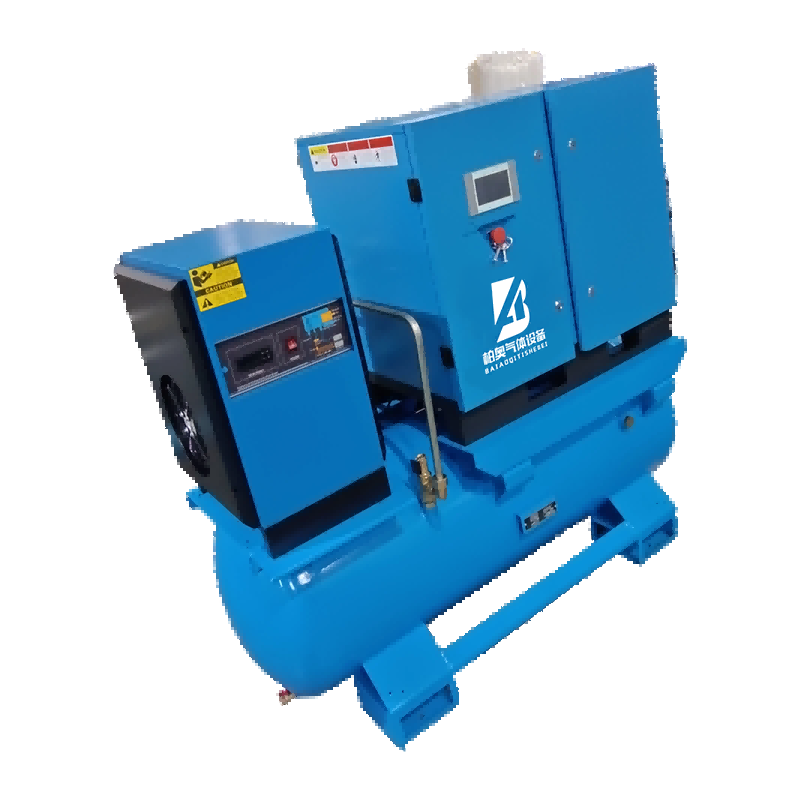
Product: VPSA Vacuum Pressure Swing Adsorption Oxygen Generator

- Tel: +86-15057127179
+86-13588382771 - Email: huang.yifan0215@gmail.com
- Address: Huanshan Township, Fuyang District, Hangzhou City, Zhejiang Province
Copyright © Zhejiang Baiao Gas Equipment Co., Ltd. All Rights Reserved.
Privacy
Gas Generator Plant Manufacturer, Industrial Purification Equipment Plant
